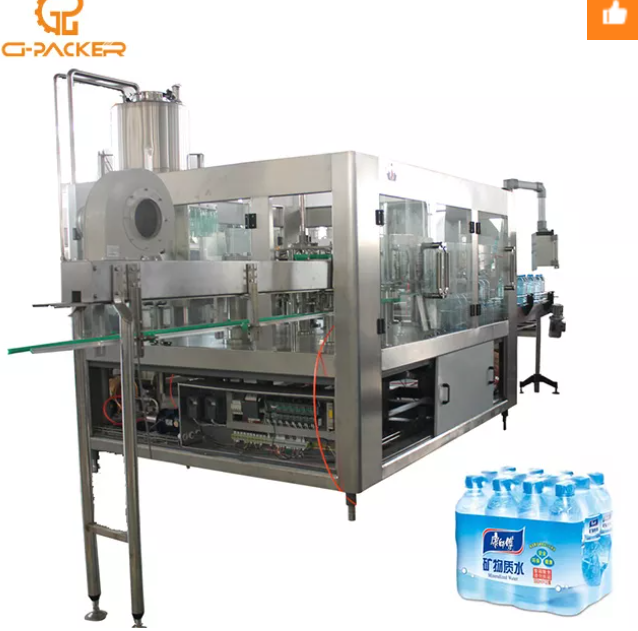
The modern industrial landscape relies heavily on automation to meet the global demand for packaged liquids, ranging from essential drinking water to carbonated beverages and pharmaceutical solutions. At the heart of this manufacturing evolution is the filling machine, a sophisticated piece of equipment designed to dispense precise volumes of liquid into various containers with speed and hygiene. For B2B manufacturers and packaging facilities, selecting the right filling machine technology is not merely a logistical choice but a strategic investment that impacts production efficiency, waste reduction, and product shelf life. As consumer preferences shift toward sustainable packaging like glass and specialized beverages, the need for advanced systems like the Glass Bottle Filling Machine or high-speed Beer Filling Machine has never been more critical.
The liquid filling process is a systematic operation where a filling machine utilizes gravity, pressure, vacuum, or piston-driven displacement to move liquid from a bulk tank into individual containers—such as bottles, cans, or jars—ensuring consistent fill levels, minimal spillage, and adherence to strict sanitary standards.
Understanding the nuances of the liquid filling cycle is essential for any business looking to optimize its output. Whether you are operating a large-scale facility requiring a specialized Water Filling Machine or a craft brewery in need of a precise Beer Filling Machine, the mechanics of the process dictate the quality of the final product. This guide explores the diverse methods utilized in the industry today, the critical technical aspects that engineers must monitor, and how integrated machinery solutions can transform a manual bottleneck into a high-speed automated success. By diving into the technicalities of flow meters, nozzles, and container handling, we provide a comprehensive roadmap for mastering the liquid filling workflow.
Table of Contents
The Liquid Filling Process: Common Methods
Key Aspects of the Liquid Filling Process
Build or Expand Your Production Line with Liquid Filling Machines
Conclusion
The Liquid Filling Process: Common Methods
Common liquid filling methods include gravity filling for thin liquids, overflow filling for consistent visual levels, piston filling for viscous products, and specialized vacuum or isobaric systems designed for carbonated beverages like beer.
The choice of method for a filling machine is primarily determined by the viscosity of the liquid and the desired speed of the production line. Gravity filling is perhaps the most straightforward technique. In this setup, the liquid is held in a tank above the containers. The filling machine opens a valve, and the force of gravity moves the liquid into the bottle. This method is exceptionally efficient for thin, free-flowing liquids and is a staple in the design of any modern Water Filling Machine. It is cost-effective and easy to maintain, making it ideal for high-volume, low-viscosity applications where precision is balanced with speed.
For products where visual appeal is paramount, the overflow filling method is often utilized. Unlike other methods that focus on precise volume, an overflow filling machine ensures that every bottle is filled to exactly the same height on the shelf, regardless of minor variations in the interior volume of the glass or plastic containers. This is particularly important for high-end spirits or cosmetics. The nozzle creates a seal over the bottle opening and pumps liquid in until it reaches a specific level; any excess liquid is then "overflowed" back into the supply tank. This technique is frequently integrated into a Glass Bottle Filling Machine to ensure that rows of products in retail environments look perfectly uniform.
When dealing with carbonated products, the complexity increases significantly, necessitating an isobaric or counter-pressure filling machine. This is the standard technology for any Beer Filling Machine. To prevent foaming and loss of carbonation (CO2), the machine first pressurizes the container with CO2 to match the pressure of the storage tank. Only when the pressures are equalized does the liquid flow into the container. Similarly, vacuum filling methods are used for sensitive liquids that might degrade when exposed to oxygen. By removing air from the container before filling, the filling machine extends the product's shelf life and maintains its chemical integrity.
Comparison of Filling Methods
| Filling Method | Best For | Key Advantage | Typical Machine Type |
| Gravity | Thin, free-flowing liquids | Simple and cost-effective | Water Filling Machine |
| Overflow | Low to medium viscosity | Cosmetic fill level consistency | Glass Bottle Filling Machine |
| Piston | Thick, viscous, or chunky | High volumetric accuracy | Sauce/Cream Filler |
| Isobaric | Carbonated drinks | Prevents foaming/CO2 loss | Beer Filling Machine |
| Vacuum | Oxygen-sensitive liquids | Enhanced shelf life | Pharmaceutical/Wine Filler |
Key Aspects of the Liquid Filling Process
Key aspects of the liquid filling process include precise volume control, hygiene and sanitation protocols, container compatibility, and the integration of automation to manage production speed and minimize downtime.
Precision and accuracy are the most critical technical aspects of any filling machine. In the B2B sector, "giveaway"—the amount of product overfilled beyond the label claim—can result in thousands of dollars in lost revenue annually. Conversely, underfilling leads to legal non-compliance and consumer distrust. Modern systems use electromagnetic or mass flow meters to measure the liquid as it passes through the nozzle. This allows a filling machine to adjust in real-time to changes in temperature or pressure, ensuring that a Water Filling Machine or a Beer Filling Machine delivers the exact milliliter count required for every single cycle.
Sanitation, or CIP (Clean-in-Place) capability, is another pillar of the process. For industries like food, beverage, and pharmaceuticals, the filling machine must be designed to be cleaned without being fully disassembled. This involves the use of 316L stainless steel, sanitary valves, and automated cleaning cycles that flush the system with caustic and acidic solutions. A high-quality Glass Bottle Filling Machine will often include rinsing modules that clean the interior of the glass before the liquid is introduced. This aspect is vital for preventing cross-contamination and ensuring that the final consumer receives a safe, high-quality product.
The interaction between the container and the machine—often called container handling—cannot be overlooked. The filling machine must be able to handle various shapes and sizes, from small vials to large five-gallon carboys. This is achieved through the use of star wheels, timing screws, and adjustable guide rails. In a Beer Filling Machine, for example, the handling system must be gentle enough to avoid breaking glass bottles while moving them at speeds exceeding hundreds of units per minute. Furthermore, the integration of sensors ensures that the machine will not dispense liquid if a bottle is missing or improperly positioned, preventing messy spills and operational delays.
Technical Factors to Consider
Viscosity Handling: Ensuring the pump and nozzle size match the liquid's flow characteristics.
Nozzle Design: Utilizing diving nozzles for foamy products or shut-off nozzles for dripless operation.
Drip Management: Implementing drip trays and vacuum-back systems to keep the production area clean.
Throughput Requirements: Matching the number of filling heads (linear or rotary) to the required bottles-per-minute (BPM).
Build or Expand Your Production Line with Liquid Filling Machines
Building a production line requires a specialized filling machine that offers modularity, high-speed rotary or linear configurations, and seamless integration with capping and labeling equipment to create a turnkey packaging solution.
For businesses scaling their operations, the transition from semi-automatic to fully automatic systems is a major milestone. A high-performance filling machine serves as the anchor of the production line. In the beverage industry, for instance, an integrated Water Filling Machine often combines three functions into one: washing, filling, and capping (3-in-1 Monoblock). This compact design reduces the footprint of the factory while significantly increasing output. By choosing a modular filling machine, companies can start with a 12-head system and eventually expand to a 40-head rotary system as demand grows, ensuring that the initial capital expenditure remains a long-term asset.
When dealing with glass packaging, the requirements become even more specific. A Glass Bottle Filling Machine must be equipped with specialized sensors to detect glass breakage and "no-bottle, no-fill" logic. The capping station must also be synchronized to apply crowns or screw caps immediately after the fill to prevent oxidation. This is especially true for the craft and commercial brewing sectors. A high-speed Beer Filling Machine must operate with extreme precision to manage the "foaming over" or jetting process, which helps remove residual air from the neck of the bottle before sealing. These integrated systems ensure that the transition from raw liquid to finished, palletized product is as smooth as possible.
The automation of these lines is powered by advanced PLC (Programmable Logic Controller) systems and HMI (Human Machine Interface) touchscreens. This allows operators to switch between different recipes or bottle sizes with the touch of a button. For a facility running multiple products, such as a Water Filling Machine line that also produces juices, this flexibility is a competitive advantage. Furthermore, data logging features allow managers to track production efficiency and identify bottlenecks in real-time, making the filling machine not just a tool, but a source of vital business intelligence.
Conclusion
The liquid filling process is a complex but manageable intersection of physics, engineering, and hygiene. From the initial selection of a filling machine method—be it gravity, piston, or isobaric—to the fine-tuning of nozzle heights and flow rates, every step is critical to the success of the packaging line. For modern B2B manufacturers, the goal is clear: achieve maximum throughput with minimum waste. By investing in specialized equipment like a Glass Bottle Filling Machine for premium products or a dedicated Water Filling Machine for high-volume commodities, businesses can ensure they meet the rigorous standards of the global market.
Furthermore, as we have seen, the "Key Aspects" of hygiene and precision are not just technical requirements but the foundation of brand trust. Whether you are operating a Beer Filling Machine that must preserve the delicate flavors of a craft ale or an industrial filler for household chemicals, the machinery you choose will dictate your operational success. As technology continues to advance with AI-driven sensors and even faster rotary designs, the future of liquid filling looks to be more efficient, sustainable, and adaptable than ever before.


