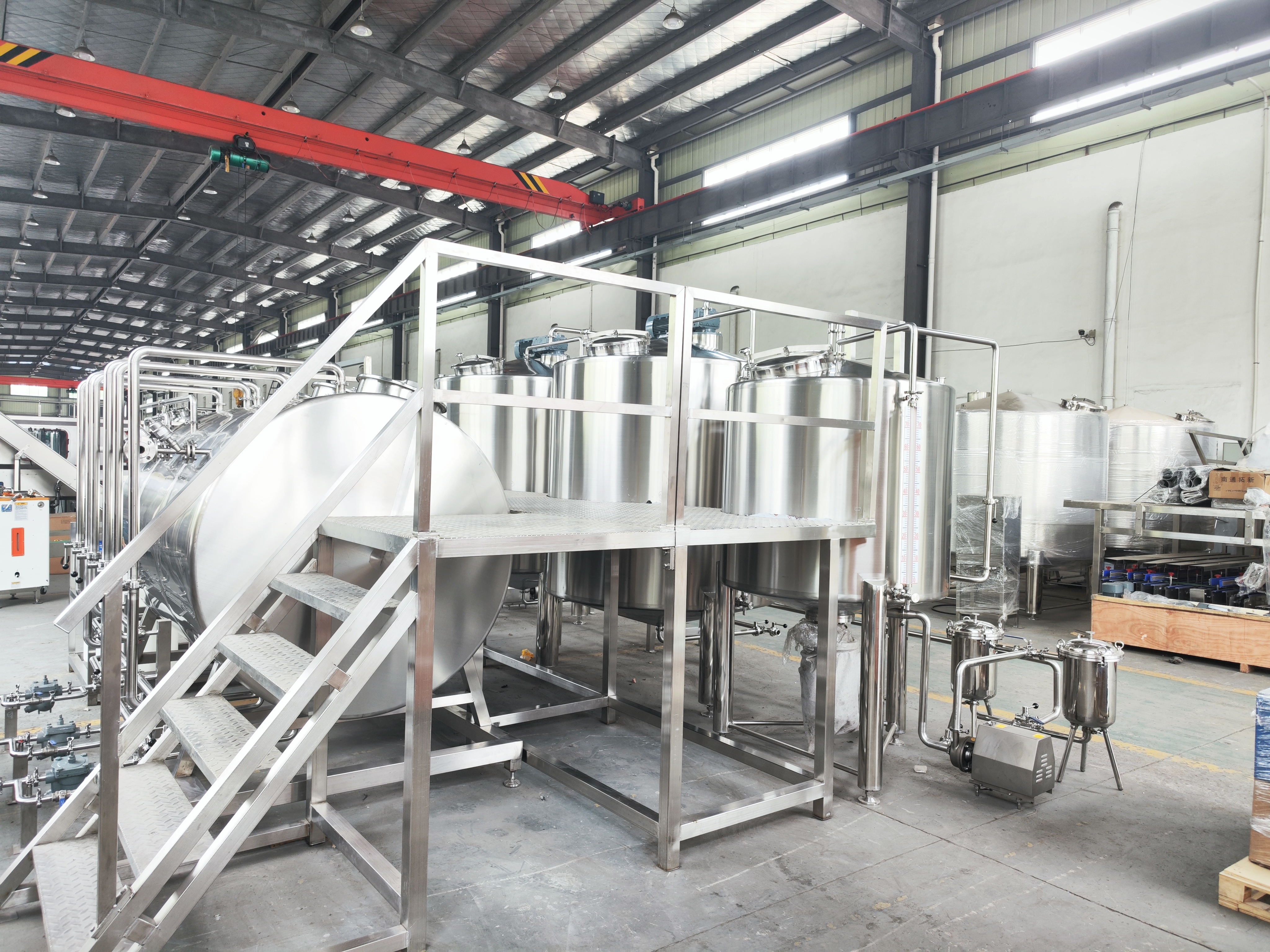
The global shift toward aluminum cans in the craft and commercial brewing industries has revolutionized how we consume carbonated beverages. For B2B brewery owners and beverage production managers, the aluminum can offers superior protection against light and oxygen, the two primary enemies of beverage quality. However, transitioning to a canning line requires more than just raw materials; it necessitates a sophisticated filling machine capable of managing the delicate balance of carbonation, pressure, and hygiene. As consumer demand for "to-go" options increases, selecting a high-performance Beer Filling Machine has become a pivotal decision for businesses looking to scale their production without compromising on the organoleptic properties of their brew.
To fill beer cans effectively, a professional brewery must utilize a specialized filling machine that performs a CO2 purge to remove oxygen, followed by an isobaric filling process to maintain carbonation levels, and finishes with a precise seaming operation to create an airtight seal.
Mastering the canning process is essential for maintaining brand reputation. Unlike a standard Water Filling Machine which handles non-carbonated liquids, or a Glass Bottle Filling Machine that deals with rigid containers, a canning line must handle flexible aluminum walls and high internal pressures. This guide will provide a technical overview of the equipment involved, the preparation steps required for a successful run, and the nuanced techniques of filling and sealing. Whether you are expanding from a small-scale manual setup to a fully automated filling machine or simply looking to optimize your current throughput, understanding these core principles will ensure your beverage reaches the consumer in peak condition.
Table of Contents
Understanding the Equipment
Preparing for Can Filling
Filling the Beer Cans
Packaging and Sealing
Troubleshooting and Maintenance
Conclusion
Understanding the Equipment
The equipment for a professional canning line centers on a Beer Filling Machine designed for counter-pressure or atmospheric filling, integrated with conveyor systems, CO2 purging stations, and a high-precision can seamer.
The heart of the operation is the filling machine. In the context of beer, a standard filling machine is insufficient; you specifically require an isobaric or "counter-pressure" system. This technology ensures that the can is pressurized with carbon dioxide to match the pressure of the beer in the bright tank before the liquid is introduced. This prevents the beer from foaming uncontrollably, a common issue known as breakout. While a Water Filling Machine can afford to be simpler because water is stable, a Beer Filling Machine must be built with precision valves and sensors to handle the volatile nature of CO2-saturated liquids.
Beyond the filler, the line includes several critical modules. The depalletizer feeds empty cans onto the line, where they are moved via conveyor to a rinser. For those using a Glass Bottle Filling Machine, the handling is different due to the weight and fragility of glass; however, aluminum cans are light and susceptible to dents, requiring nylon guide rails and gentle transition points. The can seamer is perhaps the most mechanically complex part after the filling machine, responsible for folding the lid (end) onto the can body to create a double seam.
For B2B distributors and manufacturers, the modularity of the filling machine is a key selling point. Many modern systems are designed as "Monoblock" units, which combine the rinsing, filling, and seaming functions into a single compact frame. This integration reduces the footprint on the factory floor and minimizes the distance the open can must travel, which is vital for reducing oxygen pickup. Whether you are installing a high-speed rotary filling machine or a linear system, the materials must be high-grade stainless steel to withstand the acidic nature of beer and the harsh chemicals used during the cleaning-in-place (CIP) cycles.
Preparing for Can Filling
Preparation involves rigorous sanitation of the filling machine using CIP protocols, chilling the beverage to near-freezing temperatures to stabilize CO2, and ensuring all raw materials like cans and lids are staged for a continuous workflow.
Before the filling machine ever touches a can, the environment must be sterile. In the beverage industry, the presence of wild yeast or bacteria can ruin an entire batch. The Beer Filling Machine must undergo a multi-stage Cleaning-in-Place (CIP) process, involving caustic washes to remove organic matter, followed by an acid wash and a final sanitizer rinse. This is far more intensive than the preparation for a Water Filling Machine, as beer provides a nutrient-rich environment for spoilage organisms. Every hose, valve, and nozzle within the filling machine must be validated for cleanliness.
Temperature control is the next critical aspect of preparation. For the filling machine to operate without excessive foam, the beer should be chilled to between -1°C and 1°C. At higher temperatures, CO2 becomes less soluble in the liquid and will "break out" the moment it leaves the pressurized environment of the tank. This is a fundamental difference between a Beer Filling Machine and a Glass Bottle Filling Machine used for wine or spirits; the carbonation makes beer highly sensitive to thermal fluctuations. Ensuring the filling machine itself is pre-chilled by running cold water or sanitizer through it can also help prevent initial foaming during the first few cycles.
Finally, the logistical preparation of the cans and lids is essential for a smooth run. Aluminum cans arrive in bulk and must be inspected for damage. A filling machine can easily jam if a dented can enters the seaming station. Proper staging involves loading the lid magazine and ensuring the CO2 supply is sufficient for both purging the cans and counter-pressuring the filler bowl. If the gas pressure drops mid-run, the filling machine will fail to maintain the necessary isobaric conditions, leading to inconsistent fill levels and oxygen exposure.
Filling the Beer Cans
The filling process utilizes a Beer Filling Machine to purge the can with CO2, fill the liquid under counter-pressure to prevent foaming, and ensure a small amount of foam (the muffin top) persists to displace any remaining air before the lid is applied.
The filling cycle begins with the "Purge" phase. As the can enters the filling machine, a nozzle injects CO2 into the bottom of the can. Since CO2 is heavier than air, it displaces the oxygen. This is a step often bypassed in a Water Filling Machine but is mandatory for beer. Oxygen causes staling and "cardboard" off-flavors. Once purged, the filling machine creates a seal on the can rim. The pressure inside the can is equalized with the filler tank, and the beer flows down the walls of the can to minimize agitation.
During the fill, the Beer Filling Machine uses a vent tube to allow the displaced gas to return to the tank. The accuracy of the filling machine is determined by the length of this vent tube or by sophisticated flow meters. In a Professional Beer Filling Machine, the goal is to reach a precise volume with minimal "headspace." However, unlike a Glass Bottle Filling Machine where the fill level is often dictated by the neck of the bottle, cans are filled nearly to the brim. The "low-fill" sensor is a critical component here; any can that does not meet the weight requirement is automatically rejected by the system.
The most nuanced part of the process is the "Cap on Foam" technique. After the filling machine releases the pressure and the nozzle is withdrawn, a small amount of foam should rise to the top of the can. This foam acts as a barrier, preventing oxygen from rushing back in before the lid is placed. If the filling machine is set up correctly, this foam consists purely of CO2 bubbles. Managing this requires fine-tuning the "snift" or pressure-release timing on the Beer Filling Machine. If the pressure is released too fast, the beer geysers; too slow, and there is no foam to protect the product.
Packaging and Sealing
Sealing is achieved through a double-seam process where a lid is placed onto the foam-filled can and mechanically folded twice by a seamer to create a hermetic, pressure-resistant seal.
Once the filling machine has completed its task, the can moves immediately to the seaming station. Speed is of the essence here; the longer the can stays open, the more oxygen it picks up. In a high-speed Beer Filling Machine line, the lid is dropped onto the "muffin top" of foam within milliseconds. The can is then lifted into the seaming chuck. The seamer performs two operations: the first roll tucks the lid flange under the can flange, and the second roll flattens the two together, compressing a sealing compound inside the lid to ensure a gas-tight fit.
Quality control at the sealing stage is paramount for any B2B production line. A faulty seam can lead to "leakers" or "flat beer" in the market. Manufacturers using a Professional Beer Filling Machine must perform "seam teardowns" every few hours. This involves measuring the thickness, height, and overlap of the double seam using calipers or specialized digital imaging equipment. While a Glass Bottle Filling Machine uses caps or corks that are easier to visually inspect, can seams require a more technical validation to ensure they can withstand the internal pressure of a carbonated beverage during shipping.
After seaming, the cans usually pass through a "Can Warmer" or a rinse station. Because the beer was filled at near-freezing temperatures, moisture from the air will condense on the outside of the cold cans. If they are packed into boxes immediately, the cardboard will get soggy. A rinse station clears away any beer residue left from the "cap on foam" process, and a blow-dryer removes the condensation. Finally, the cans are coded with a date or batch number, a standard feature in any fully integrated filling machine line, ensuring traceability throughout the distribution chain.
Troubleshooting and Maintenance
Maintenance of a filling machine involves daily cleaning, lubrication of moving parts, and regular inspection of seals and valves to prevent leaks and ensure consistent fill volumes.
Troubleshooting a filling machine often starts with identifying the cause of inconsistent fills. If a Beer Filling Machine is producing underfilled cans, the issue is often a blocked vent tube or a faulty pressure sensor. In carbonated beverage lines, "foaming" is the most common headache. This usually indicates that the beer is too warm, the CO2 pressure is too low, or there is a rough spot in the tubing causing turbulence. Unlike a Water Filling Machine, where a small leak might just be a mess, a leak in a Beer Filling Machine can cause oxygen ingress, ruining the product's shelf life.
Daily maintenance is the "preventative medicine" of the production world. All rubber gaskets and O-rings within the filling machine nozzles should be inspected for wear. Over time, the acidic nature of beer and the heat from sanitization can cause these seals to crack. A failed seal in a Professional Beer Filling Machine leads to pressure loss, which destroys the isobaric environment and causes excessive foaming. Lubrication of the conveyor chains and the seamer’s rotating parts must be done with food-grade lubricants to ensure that no petroleum products contaminate the beverage.
For B2B operations, downtime is the enemy of profitability. Carrying a "spare parts kit" for your filling machine is a best practice. This kit should include replacement nozzles, valve springs, and seaming rollers. Because the Beer Filling Machine is a significant capital investment, following the manufacturer's maintenance schedule is vital for maintaining the warranty and ensuring the machine lasts for decades. Regular software updates for the PLC (Programmable Logic Controller) can also optimize the filling machine's performance, allowing for faster changeovers between different can sizes.
Conclusion
The transition from traditional kegging or bottling to a modern canning line is a significant step for any beverage business. Success in this area is entirely dependent on the quality and operation of your filling machine. While a Water Filling Machine or a Glass Bottle Filling Machine might share some mechanical similarities, the Beer Filling Machine is a specialized instrument that must master the complexities of gas solubility and oxygen exclusion. By understanding the importance of CO2 purging, maintaining near-freezing temperatures, and ensuring a perfect double seam, brewers can ensure their product remains fresh from the factory to the fridge.
For B2B stakeholders, the choice of a filling machine is an investment in the brand's future. High-grade stainless steel construction, automated PLC controls, and integrated seaming modules are the hallmarks of a system that will provide a high ROI. As the market for canned beverages continues to grow, having a reliable, high-speed Beer Filling Machine is no longer a luxury—it is a necessity. By following the guidelines in this guide, you can optimize your canning process, reduce waste, and deliver a superior product to your customers.


