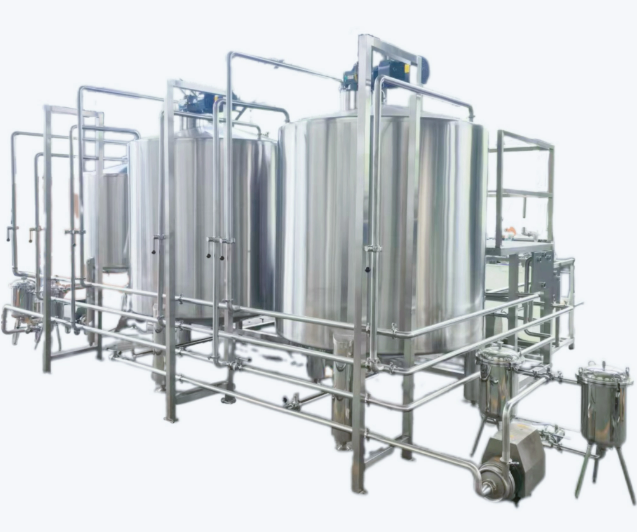
Juices are a great alternative to water. They are delicious and healthy and can be consumed at any time. This is why there is a demand for juices and a need to fill them in bottles. The filling of juices is quite different from that of water. Therefore, a change from water to juice filling requires a proper understanding of the filling process.
This article will provide a step-by-step guide on how to change a water filling line to a juice filling line.
What is the difference between water and juice filling?
Water and juice are both liquids, but they have different properties that affect the filling process. Water has a constant density and viscosity, meaning its mass and thickness remain the same regardless of temperature or pressure changes. This makes water filling relatively straightforward, as the liquid flows easily and consistently. Juice, on the other hand, has a variable density and viscosity, meaning its mass and thickness can change depending on temperature and pressure. This can make juice filling more complex, as the liquid may not flow as easily or consistently.
There are several other differences between water and juice filling that can affect the filling process:
Density:
Juice is typically denser than water, which can affect the filling process by requiring more pressure to fill the container.
Viscosity:
Juice is typically more viscous than water, which can affect the filling process by requiring more time to fill the container.
Carbonation:
Some juices, such as carbonated fruit juices, can be more difficult to fill than water due to the presence of gas bubbles.
pH:
Juice is typically more acidic than water, which can affect the filling process by requiring more careful handling of the juice to prevent corrosion of the filling equipment.
Steps to change a water filling line to a juice filling line
Changing a water filling line to a juice filling line involves several steps to ensure that the equipment is properly cleaned and configured for the new product. Here are some general steps to follow:
1. Shut down the filling line:
Before making any changes to the filling line, it is important to shut down the equipment and ensure that it is safe to work on.
2. Clean the filling line:
After the filling line has been shut down, it is important to thoroughly clean all equipment that will come into contact with the juice. This may involve disassembling the filling equipment and using a cleaning solution to remove any residue from the water.
3. Replace any water-specific components:
Some filling equipment may have components that are specifically designed for water, such as valves or nozzles. These components may need to be replaced with ones that are suitable for juice, which can be more viscous and have different flow properties.
4. Adjust the filling parameters:
Juice and water have different filling properties, so it may be necessary to adjust the filling parameters, such as the fill volume, fill speed, and pressure. This can be done by running test fills and making adjustments as needed.
5. Test the filling line:
Once the filling line has been cleaned and adjusted, it is important to test the equipment to ensure that it is filling the juice accurately and consistently. This may involve running a batch of juice and measuring the fill volume to ensure that it is within the desired range.
6. Document the changes:
Finally, it is important to document the changes that have been made to the filling line, including any new components that have been installed and any adjustments that have been made to the filling parameters. This will help to ensure that the filling line can be properly maintained and adjusted in the future.
Common problems and solutions when changing a water filling line to a juice filling line
Changing a water filling line to a juice filling line can present some challenges, as the two products have different properties and require different handling. Here are some common problems that may arise during this process, along with potential solutions:
1. Clogging:
Juice is typically more viscous than water, which can cause it to clog the filling equipment. This can be particularly problematic with small nozzles or tight spaces. To prevent clogging, it is important to thoroughly clean the filling equipment before switching to juice and to use components that are suitable for handling viscous liquids.
2. Foaming:
Juice can produce foam when it is being filled, which can affect the accuracy of the fill volume and cause spillage. To reduce foaming, it is important to fill the juice slowly and to use equipment that is designed to minimize foam, such as anti-foaming nozzles or baffles.
3. Corrosion:
Juice is typically more acidic than water, which can cause corrosion of the filling equipment over time. To prevent corrosion, it is important to use materials that are resistant to acid, such as stainless steel or plastic, and to regularly clean and maintain the equipment.
4. Inconsistent fill volume:
Juice and water have different filling properties, which can cause the fill volume to be inconsistent. To ensure consistent fill volume, it is important to adjust the filling parameters, such as the fill speed and pressure, and to regularly test the filling equipment to ensure that it is functioning properly.
5. Leakage:
Juice is typically more viscous than water, which can cause it to leak from the filling equipment if the seals are not properly maintained. To prevent leakage, it is important to regularly inspect and replace the seals as needed and to ensure that the equipment is properly assembled and tightened.
Safety precautions to take when changing a water filling line to a juice filling line
Changing a water filling line to a juice filling line can involve handling potentially hazardous materials and working with machinery. It is important to take appropriate safety precautions to protect yourself and others. Here are some safety precautions to consider:
1. Wear appropriate personal protective equipment (PPE):
When handling juice, it is important to wear appropriate PPE, such as gloves, goggles, and a mask, to protect yourself from potential skin irritation, eye irritation, and respiratory issues.
2. Handle juice with care:
Juice can be slippery and may cause falls or other injuries if it spills. It is important to handle juice with care and to clean up any spills immediately to prevent accidents.
3. Use appropriate lifting techniques:
Filling equipment and containers of juice can be heavy and may cause strain or injury if not lifted properly. It is important to use appropriate lifting techniques, such as bending at the knees and keeping the back straight, to prevent injury.
4. Follow proper lockout/tagout (LOTO) procedures:
When working with machinery, it is important to follow proper LOTO procedures to ensure that the equipment is properly shut down and cannot be accidentally started while you are working on it.
5. Follow proper cleaning and maintenance procedures:
To prevent accidents and injuries, it is important to follow proper cleaning and maintenance procedures for the filling equipment. This may involve disassembling the equipment, using cleaning solutions, and replacing worn or damaged components.
6. Seek assistance if needed:
If you are unsure about any aspect of changing the filling line, it is important to seek assistance from a qualified professional or supervisor. It is better to ask for help than to risk injury or accidents.
Conclusion
Changing a water filling line to a juice filling line requires careful planning and attention to detail. By following the steps outlined in this article, you can ensure a successful transition and avoid common problems. Remember to always prioritize safety and seek assistance if needed. With the right preparation and equipment, you can successfully fill juice and meet the demand for this popular product.


