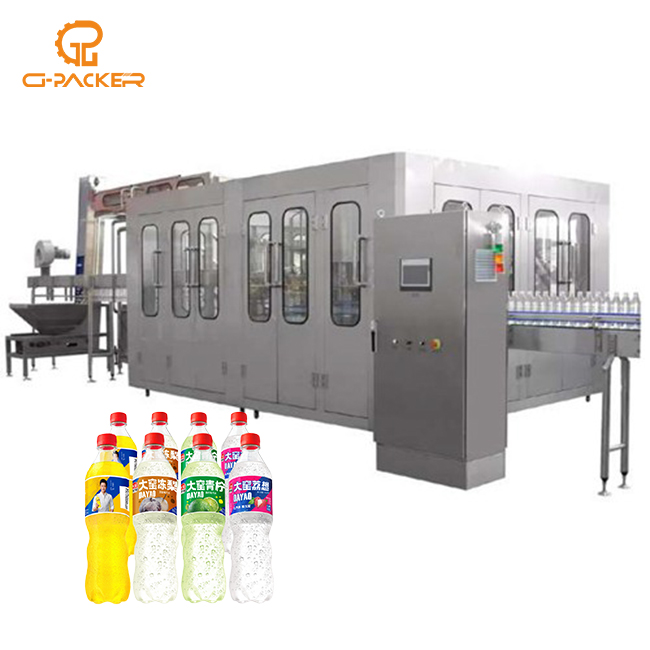
Ever wondered how your favorite drink gets perfectly bottled or your lotion is filled just right? That's the magic of filling machines. Choosing the right filling machine is crucial for efficiency and product quality. In this post, you'll learn about the types of filling machines, focusing on semi-automatic and automatic options, to help you make an informed choice for your business.
Understanding Filling Machines
When diving into the world of filling machines, it's essential to grasp the different types, how they work, and their key components. This knowledge helps you pick the right machine for your business needs.
Different Types of Filling Machines
Filling machines come in various forms, mainly categorized by their level of automation and the technology they use to handle liquids or solids:
Manual Fillers: Require full human operation. Suitable for very small batches or thick products.
Semi-Automatic Fillers: Combine manual loading with powered filling mechanisms. Great for small to medium production volumes.
Automatic Fillers: Fully automated systems handling high-volume production with minimal human intervention.
Gravity Fillers: Use gravity to fill containers, ideal for thin, free-flowing liquids like water or juice.
Pump Fillers: Use pumps to transfer liquids, handling a wide viscosity range.
Piston Fillers: Draw product into a cylinder, then push it into containers, offering precise volume control, especially for thick liquids.
Vacuum Fillers: Create a vacuum to draw liquid gently into containers, perfect for delicate products like wine.
Overflow Fillers: Maintain a constant liquid level in bottles, ensuring uniform fill appearance.
Counter Pressure Fillers: Used for carbonated beverages to prevent foam and carbonation loss.
Each type serves unique applications depending on the product’s nature and production scale.
How Filling Machines Work
The basic principle of a filling machine is to dispense a set amount of product into containers efficiently and accurately. Here's a simplified overview:
Container Positioning: Containers are placed manually or automatically under the filling nozzles.
Product Dispensing: The machine releases the product using gravity, pumping, piston action, or vacuum.
Fill Control: Sensors or timers ensure the right volume or weight is filled.
Container Removal: Filled containers move away for capping or labeling, often via conveyors in automatic systems.
Semi-automatic machines usually require an operator to start the cycle, while automatic machines handle every step from container feeding to product filling without manual help.
Key Components of Filling Machines
Understanding the main parts helps in maintenance and troubleshooting:
Filling Nozzles: Direct the product into containers. Their design varies by product type to reduce dripping or foaming.
Product Reservoir: Holds the product before filling. Can be a hopper, tank, or pump system.
Control System: Manages timing, volume, and speed. Modern machines use digital controls or PLCs for precision.
Conveyor System: Moves containers through the filling line, mainly in automatic setups.
Sensors and Actuators: Detect container presence and control filling actions to prevent spills or overfills.
Frame and Housing: Made of stainless steel or other sanitary materials to ensure hygiene and durability.
Each component plays a vital role in ensuring the filling process is fast, accurate, and hygienic.
Tip: When selecting a filling machine, consider your product’s viscosity and container type first—this determines the filling technology and nozzle design you’ll need for optimal performance.
Semi-Automatic Filling Machines
Semi-automatic filling machines strike a balance between manual control and automated efficiency. They are perfect for businesses that need precision without the complexity or cost of full automation.
Features and Benefits of Semi-Automatic Filling Machines
Affordability: These machines usually cost less upfront than fully automatic systems. Their simpler design means fewer parts that can break or need expensive repairs.
Ease of Use: Operators can quickly learn how to run the machine. Controls are straightforward, so training time is minimal.
Versatility: Semi-automatic machines can handle various container sizes and product types. Adjustments are quick, allowing for fast changeovers.
Precision: Digital controls help operators set accurate fill volumes, reducing waste and ensuring consistent product quality.
Compact Size: They often take up less floor space, fitting well in smaller production areas.
Best Applications for Semi-Automatic Fillers
Semi-automatic fillers excel in situations where production volume is moderate or variable. Common applications include:
Small to medium batch runs
Seasonal product lines
Specialty or artisanal products
Startups or businesses with limited space
Products requiring delicate handling or frequent changeovers
Industries such as cosmetics, pharmaceuticals, food, and beverage often find semi-automatic machines ideal for their flexible needs.
Cost-Effectiveness of Semi-Automatic Machines
Choosing a semi-automatic filling machine can save money in several ways:
Lower Initial Investment: Less costly than automatic machines, they suit businesses not yet ready for large capital outlays.
Reduced Labor Costs: While operators are needed, the machine speeds up filling, cutting down overall labor time.
Maintenance Savings: Simpler mechanics mean fewer parts to maintain or replace.
Scalability: These machines allow businesses to grow production gradually without overspending on automation they don’t yet need.
For companies balancing budget constraints with quality and efficiency, semi-automatic fillers offer a smart, scalable solution.
Tip: When considering semi-automatic filling machines, evaluate your production volume and product variety to ensure the machine’s flexibility matches your business needs.
Automatic Filling Machines
Automatic filling machines offer unmatched speed, precision, and efficiency for businesses aiming to scale production and streamline operations. These machines handle the entire filling process—from container feeding to filling and discharge—with minimal human intervention. Let’s explore their advantages, ideal industries, and how they integrate with packaging lines.
Advantages of Automatic Filling Machines
High Speed and Throughput: Automatic fillers operate continuously, filling hundreds or thousands of containers per hour. This makes them perfect for large-scale production where speed is critical.
Consistent Accuracy: Advanced sensors and control systems ensure every container receives the exact volume needed. This reduces product waste and guarantees uniform quality.
Labor Savings: Automation cuts down the need for manual labor, reducing labor costs and minimizing human error. Operators can focus on monitoring and quality control instead.
Reduced Downtime: These machines often include features like automatic bottle detection and fault alarms, which help avoid spills and stoppages.
Improved Hygiene: Many automatic fillers use stainless steel and sanitary designs that comply with food, beverage, and pharmaceutical safety standards.
Scalability: Automatic machines can be equipped with multiple filling heads and modular components, allowing businesses to increase capacity as demand grows.
Industries Best Suited for Automatic Fillers
Food and Beverage: Large beverage bottling plants, dairy processing, sauces, and oils benefit from fast, clean, and accurate filling.
Pharmaceuticals: Precise dosing and hygienic conditions make automatic fillers ideal for medicines and liquid supplements.
Cosmetics and Personal Care: Filling lotions, creams, and shampoos with consistent quality supports brand reputation.
Chemicals: Industrial liquids that require precise volume control and safe handling are well served by automatic systems.
Household Products: Cleaners, detergents, and other liquid products gain efficiency through automation.
Integration with Other Packaging Line Equipment
Automatic filling machines often form part of a fully integrated packaging line. They connect seamlessly with:
Conveyors: Transport containers through filling, capping, labeling, and packing stations.
Cappers: Automatically seal containers immediately after filling.
Labelers: Apply product labels in line with filling and capping.
Checkweighers: Verify the filled container weight to ensure compliance.
Packing Machines: Bundle filled containers into cases or cartons for shipping.
Such integration boosts overall line efficiency, reduces manual handling, and ensures smooth production flow. It also allows real-time monitoring and control of the entire packaging process.
Tip: When considering an automatic filling machine, evaluate your current packaging line’s compatibility and future expansion plans to maximize integration benefits and ROI.
Comparing Semi-Automatic and Automatic Filling Machines
When deciding between semi-automatic and automatic filling machines, understanding their differences in speed, flexibility, and cost is crucial for making the best choice for your business.
Speed and Efficiency
Automatic filling machines excel in speed. They can fill hundreds or even thousands of containers per hour without breaks, making them ideal for large-scale production. Their continuous operation and multiple filling heads boost throughput significantly.
Semi-automatic machines, however, require an operator to load containers and initiate the filling cycle, which limits their speed. They are better suited for small to medium batch sizes where high speed isn’t the top priority. Despite slower output, semi-automatics still improve efficiency compared to manual filling by automating the actual fill process.
Flexibility and Versatility
Semi-automatic machines offer greater flexibility. Since operators control loading and start the fill, these machines can quickly switch between different container sizes and product types. This makes them perfect for businesses with diverse product lines or frequent changeovers.
Automatic machines, while highly efficient, often need more setup time to adjust for different products or containers. Their design favors consistent, high-volume runs. Some advanced automatics do allow quick changeovers but generally require more technical skill and planning.
Cost and Investment Considerations
Cost is a major factor. Semi-automatic filling machines usually have a lower upfront price and simpler maintenance, making them accessible for startups or businesses with budget constraints. Labor costs may be higher since operators are needed, but overall investment remains manageable.
Automatic filling machines demand a higher initial investment due to complex components and integration capabilities. However, they reduce labor costs by minimizing manual intervention and increase production capacity. For companies with high output needs, this investment often pays off through improved productivity and lower per-unit costs.
Tip: Assess your production volume and product variety carefully; semi-automatic machines suit flexible, smaller runs, while automatic machines are best for high-speed, large-scale operations.
Choosing the Right Filling Machine for Your Business
Selecting the perfect filling machine hinges on understanding your business needs, production volume, product type, and long-term goals. Let’s break down these key factors to help you make an informed decision.
Assessing Your Business Needs
Start by looking at your current operations. Consider how much manual labor you want to invest versus automation. Semi-automatic machines require operators to load containers and start the filling cycle, offering control and flexibility. Automatic machines handle the entire process, reducing labor but requiring higher upfront investment.
Think about your product variety. If you frequently switch between products or container sizes, a semi-automatic machine’s flexibility might suit your needs better. For steady, high-volume production of a single product, automatic machines provide unmatched efficiency.
Also, consider your workspace. Semi-automatic machines usually occupy less floor space and are easier to fit into smaller facilities. Automatic systems often require more room due to conveyors and integration with other packaging equipment.
Evaluating Production Volume and Product Type
Production volume is a critical factor. If your output is low to medium—say, a few hundred to a few thousand units per day—a semi-automatic filling machine can keep pace without over-investing. These machines excel in batch production and seasonal product lines where demand fluctuates.
For businesses producing tens of thousands of units daily, automatic filling machines are the better choice. They maintain consistent speed, accuracy, and throughput while minimizing downtime. They also handle a wide range of product viscosities and container types when properly configured.
Product type matters too. Thick, viscous products like creams or sauces may require piston or pump fillers, which both semi-automatic and automatic machines can support. Fragile or sensitive liquids may benefit from gentle filling methods available in automatic systems.
Long-Term Goals and Scalability
Look beyond your current needs. Will your production increase in the future? Do you plan to expand product lines or enter new markets? Investing in a machine that can scale with your business saves money and hassle later.
Semi-automatic machines offer a good starting point for growing businesses. They are often modular and can be upgraded or complemented by additional units as demand rises.
Automatic filling machines provide scalability through multi-head configurations and integration with full packaging lines. While the initial cost is higher, they support rapid growth and complex production schedules.
Planning for scalability also involves considering maintenance and support. Choose machines from reputable manufacturers offering reliable service and parts availability.
Tip: Before purchasing, conduct a thorough analysis of your current and future production needs, product characteristics, and workspace constraints to select a filling machine that grows with your business and maximizes ROI.
Key Considerations When Buying a Filling Machine
When selecting a filling machine, several crucial factors come into play to ensure the equipment fits your product and business needs perfectly. Let's explore the most important considerations: liquid type and viscosity, container type and size, and budget including total cost of ownership.
Liquid Type and Viscosity
Your product’s characteristics heavily influence the filling machine choice. Liquids range from thin, watery substances like juices and water to thick, viscous products such as creams, sauces, or oils.
Thin Liquids: Gravity fillers or overflow fillers work well here. They rely on simple flow and timed valves to fill containers quickly and accurately.
Medium to Thick Liquids: Pump fillers or piston fillers are better suited. They actively push the product into containers, handling viscosity without compromising accuracy.
Delicate or Carbonated Liquids: Specialized machines like vacuum fillers or counter-pressure fillers prevent oxidation or carbonation loss during filling.
Also, consider if your liquid contains particles or is prone to foaming, as this may require specific nozzle designs or gentle filling methods.
Container Type and Size
The shape, material, and size of your containers affect which filling machine will work best.
Container Shape: Wide-mouth jars need different filling nozzles than narrow-neck bottles. Some machines offer adjustable guides or quick-change parts for multiple container shapes.
Material: Glass, plastic, or metal containers have different handling needs. For example, glass bottles require gentle handling to avoid breakage.
Size Range: Machines vary in the container sizes they support. If you plan to fill multiple sizes, look for machines with fast changeover capabilities to minimize downtime.
Matching your filling machine to container types ensures smooth operation and maintains product quality.
Budget and Total Cost of Ownership
Your budget includes more than just the purchase price. Consider the full cost over the machine’s lifetime.
Initial Investment: Semi-automatic machines generally cost less upfront than automatic ones. However, automatic machines may offer better long-term value for high-volume production.
Operating Costs: Factor in labor, maintenance, energy use, and spare parts. Automatic machines reduce labor costs but might have higher maintenance needs.
Scalability: Choose a machine that can grow with your business. Modular designs or upgrade options can save money later.
Downtime Costs: Reliable machines with good support reduce production interruptions, saving money and protecting your reputation.
Taking a holistic view of costs helps you make a smart investment aligned with your financial goals.
Tip: Always match your filling machine choice to your product’s viscosity, container variety, and budget to maximize efficiency and minimize unexpected costs.
Conclusion
Choosing the right filling machine is crucial for efficiency and cost-effectiveness. Semi-automatic machines offer flexibility and lower costs, ideal for small to medium operations. Automatic machines provide speed and precision for high-volume production. Consider product type, container size, and budget when deciding. G-packer provides advanced filling solutions tailored to your needs, ensuring quality and scalability. Their machines offer unique features that enhance productivity and meet diverse industry standards, making them a valuable partner in your production journey.
FAQ
Q: What is a filling machine?
A: A filling machine is equipment used to dispense a set amount of product into containers efficiently and accurately, suitable for various liquids or solids.
Q: How do semi-automatic filling machines work?
A: Semi-automatic filling machines require manual container positioning and cycle initiation but automate the filling process, ideal for moderate production volumes.
Q: Why choose an automatic filling machine?
A: Automatic filling machines offer high speed, precision, and reduced labor costs, making them perfect for large-scale, consistent production.
Q: What are the cost differences between semi-automatic and automatic filling machines?
A: Semi-automatic machines are generally cheaper upfront, while automatic machines have higher initial costs but can reduce labor expenses and increase efficiency.


