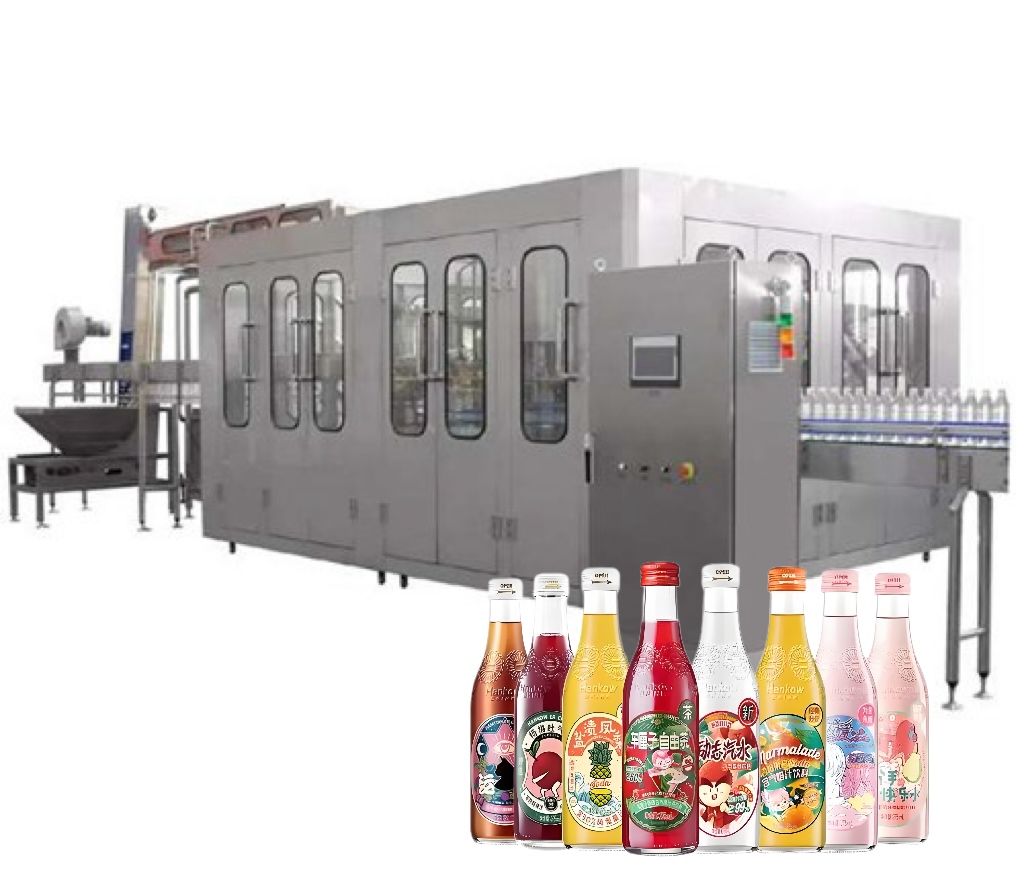
In the modern production environment, filling machines play an indispensable role in packaging industries across the world. Whether it’s for beverages, pharmaceuticals, cosmetics, or food products, filling machines ensure that products are packaged quickly, accurately, and efficiently. This article will delve into the function of filling machines, the various types available, their areas of application, and how they contribute to the overall success of production lines.
In Which Industries Are Filling Systems Used?
Filling systems are used across multiple industries, all of which rely on automated machinery for consistent, precise filling of various products into containers. Some of the most prominent industries that use filling machines include:
1. Beverage Industry
The beverage filling machine is one of the most commonly used types of filling systems. These machines are designed to handle a variety of liquids, from still beverages like juices to carbonated drinks like soda and beer. For example, a juice filling machine ensures that beverages are filled into containers without spillage or contamination, while a beer filling machine handles the delicate balance of pressurized liquids.
2. Food and Dairy Industry
Filling machines are used to package liquids, sauces, dairy products, and more. For dairy products like milk or yogurt, a filling machine is designed to handle the product at the correct temperature and speed, ensuring that every container is filled to the proper level while maintaining hygiene standards.
3. Pharmaceutical Industry
In the pharmaceutical industry, filling machines are used to package medicines and syrups. These systems must adhere to strict regulations to ensure that each container is filled with the correct dosage and that the integrity of the product is maintained. Aseptic filling systems are often employed here to prevent contamination during the filling process.
4. Cosmetics and Personal Care
Cosmetic products, such as lotions, shampoos, and creams, are filled using specialized filling machines that ensure consistency in the amount of product dispensed. These machines must handle a wide range of viscosities and product types while maintaining packaging efficiency and precision.
5. Chemical Industry
The chemical industry utilizes filling systems for packaging a variety of chemical products, including oils, lubricants, and cleaning agents. These products often require specialized machines due to their viscosity or hazardous nature, ensuring that the filling process is safe and precise.
6. Other Industries
Other industries such as the beer filling machine for breweries, the glass bottle filling machine for high-end spirits or juices, and tin filling machines for packaging canned goods all rely on filling machines to ensure the accuracy, safety, and efficiency of their operations.
How Does a Filling System Work?
A filling system works by using various mechanisms to fill a product into a container, be it a bottle, can, or other packaging. The machine typically follows these steps:
Container Placement: Empty containers (e.g., bottles or cans) are placed on a conveyor belt or positioned in a holder, depending on the type of filling machine being used.
Filling Process: The filling system then dispenses the product into the container. This can be done via gravity (in the case of thin liquids like water), pressure (used in carbonated beverages), or vacuum-based systems (for thicker substances like oils). For a glass bottle filling machine, the bottle is often rotated or positioned upside down to ensure even filling.
Capping and Sealing: After filling, the containers are typically sealed or capped. This ensures that the product remains secure and fresh during transport and storage.
Labeling and Packaging: After filling and sealing, filling machines can also be integrated with labeling and packaging systems, ensuring that products are ready for distribution.
Key Considerations:
Accuracy: One of the primary functions of filling machines is to ensure accurate filling levels, reducing waste and ensuring uniformity across products.
Speed: Speed is a critical factor in production environments. Filling machines can fill hundreds to thousands of containers per hour, depending on the type and complexity of the filling system.
Hygiene: In industries like beverages and pharmaceuticals, hygiene is critical. Aseptic filling systems ensure that the filling process doesn’t compromise the product’s safety or quality.
Comparison: Blow-Fill-Seal Technology
Blow-fill-seal (BFS) technology is a cutting-edge method used in certain filling systems, particularly in the packaging of beverages and pharmaceuticals. The process integrates the formation, filling, and sealing of containers in a single step. Here’s how it compares to traditional filling methods:
Blow-fill-seal Technology:
Process: A plastic container is first formed from a plastic tube, then it is filled with the product, and finally sealed — all within the same machine.
Advantages: BFS minimizes contamination risks and reduces packaging costs by combining multiple steps. It is commonly used for filling bottles, especially in the beverage filling machine industry, as well as for small pharmaceutical products.
Best Use: BFS is ideal for liquid products, such as juices, cleaning solutions, and certain medicines, where contamination must be avoided.
Traditional Filling Systems:
Process: In traditional filling systems, bottles or containers are formed separately, then filled and sealed using different machines.
Advantages: While this system may require more machines, it is highly versatile and suited for a wider range of products, from beverages to dairy.
Best Use: Traditional filling systems are preferred for products like beer filling machines, juice filling machines, and glass bottle filling machines, where different types of containers and varied products need to be processed.
Types of Filling Systems
Filling systems can vary based on the type of product being filled, the container being used, and the specific requirements of the production process. Here are some of the most common types of filling machines:
1. Volumetric Filling Systems
In volumetric filling, the machine dispenses a specific volume of product into each container. This system is commonly used for liquids such as beverages, oils, and syrups. Beverage filling machines and juice filling machines often use this type of system, which provides accurate and consistent filling, reducing waste.
2. Gravity Filling Systems
Gravity filling systems rely on gravity to move liquids into containers. This is best suited for low-viscosity liquids like water or wine. Gravity filling machines are simple and cost-effective but may not be ideal for thicker liquids or products that require high precision.
3. Pressure Filling Systems
Pressure filling systems use air or gas pressure to force liquids into containers. This is commonly used in beer filling machines or carbonated beverage lines, as the pressure ensures that the drink remains carbonated during the filling process. These systems are essential for maintaining the integrity of fizzy drinks.
4. Vacuum Filling Systems
Vacuum filling machines are designed for high-viscosity liquids like oils or sauces. By creating a vacuum inside the container, the system ensures that thick liquids are dispensed easily and accurately.
5. Aseptic Filling Systems
An aseptic filling system is designed for environments where hygiene is paramount. It is commonly used in the beverage industry for products like fruit juices and dairy, where the product is filled in a sterile environment to avoid contamination. These systems help preserve the quality and shelf life of perishable products without the need for refrigeration.
What Are Aseptic Filling Systems?
Aseptic filling systems are specialized machines that fill products into sterile containers without compromising the product’s quality. These systems use controlled environments and advanced sterilization techniques to eliminate bacteria, fungi, and other microorganisms that could spoil the product.
Features of Aseptic Filling Systems:
Sterilization: Containers and equipment are sterilized before filling to ensure no contamination occurs.
Preservation: Products are preserved without the use of preservatives, which is crucial for natural juices, dairy products, and certain medical liquids.
Technology: Aseptic filling often incorporates modern technologies such as ultra-high temperature (UHT) processing, which extends the product’s shelf life.
Juice filling machines and beverage filling machines are typical examples of systems that use aseptic filling to preserve the freshness and safety of beverages without requiring refrigeration.
Contract Filling
Contract filling is a service where a third-party company handles the filling process on behalf of the product owner. This service is particularly beneficial for companies that do not have the resources to operate their own filling lines or for those who need to quickly scale up production. The contract filling service can handle the entire process, from product formulation to packaging.
Benefits of Contract Filling:
Cost-Effective: By outsourcing the filling process, companies can save on the costs associated with purchasing and maintaining filling machines.
Expertise: Contract filling providers have specialized expertise in handling a wide range of products and packaging formats.
Scalability: This service allows for scalability, which is useful for companies that experience fluctuating demand for their products.
Contract filling services are commonly used in the food and beverage industry, where businesses like those producing juices, beers, and other beverages can outsource their filling needs to filling machines providers.
Conclusion
Filling machines are essential to the efficient production and packaging of liquid products across a wide range of industries. Whether you’re using a Glass Bottle Filling Machine, Beverage Filling Machine, Juice Filling Machine, Beer Filling Machine, or Tin Filling Machine, the role of filling technology is critical to ensuring high quality, precision, and scalability in production.
Understanding the different types of filling machines available, such as volumetric, pressure, and aseptic systems, allows manufacturers to select the right equipment for their specific needs. As businesses grow, contract filling services also provide a flexible solution for scaling production.
The use of advanced filling systems like aseptic filling machines ensures the safety and longevity of products, while technologies such as Blow-Fill-Seal offer additional benefits for industries like beverage production. By understanding these systems, businesses can optimize their production processes, ensuring high-quality products and efficient operations.


