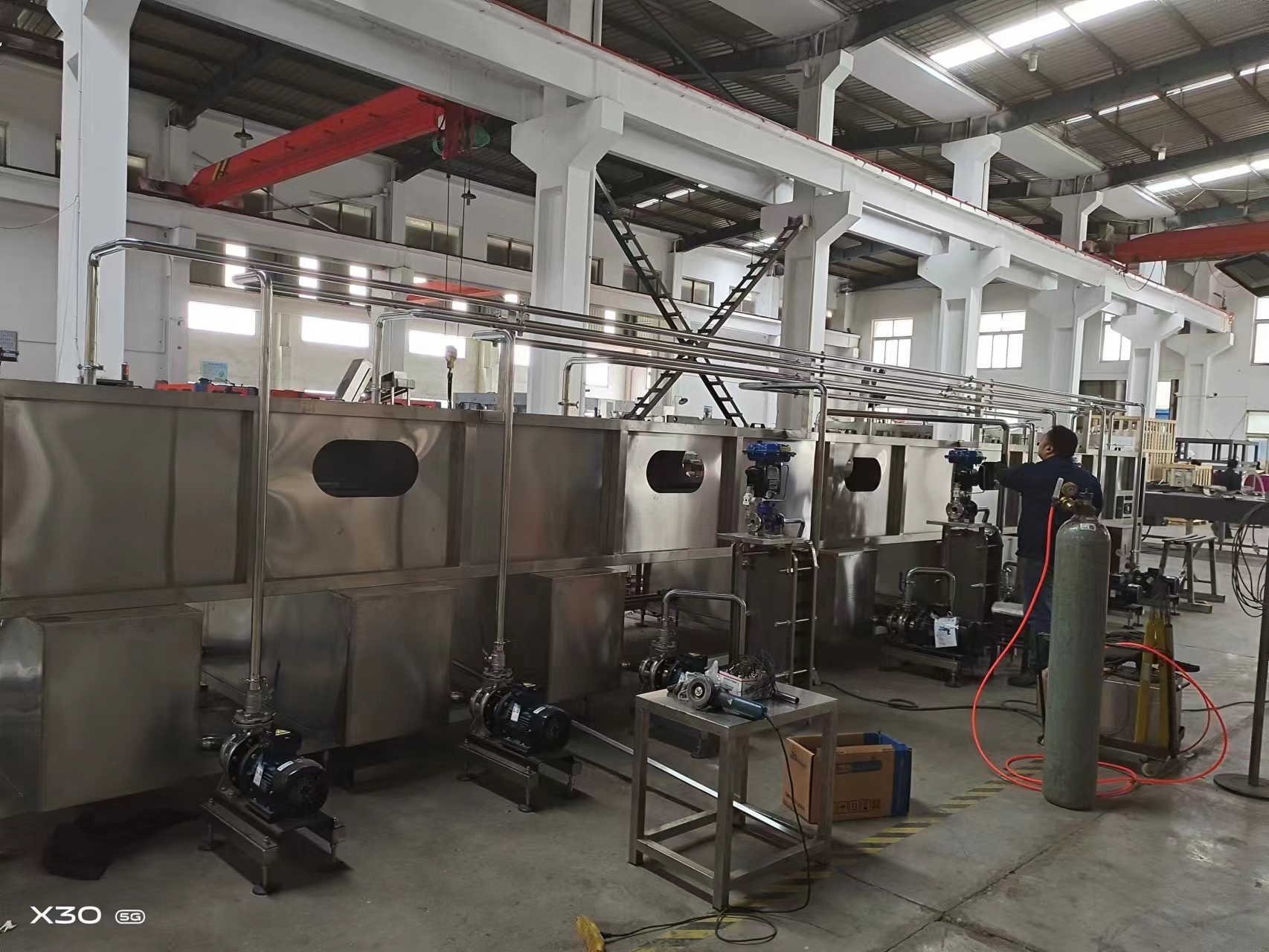
Transitioning from local taproom sales to regional distribution introduces a significant scaling dilemma. It exposes your product to strict shelf-stability requirements and severe cold-chain vulnerabilities. Without proper intervention, you risk product spoilage, exploding cans, and serious brand damage. For craft brewers scaling up kombucha, hard cider, and novel non-alcoholic beverages, solving this issue is vital. Introducing a Pasteurizer Tunnel represents a major operational shift. You must carefully balance microbiological security against equipment footprint, utility demands, and perceived flavor impacts. This article provides a transparent, evidence-based framework for facility managers and head brewers. We will explore how to evaluate complex equipment choices effectively. You will learn whether this specific capital investment aligns well for your long-term production goals. We cover everything from mitigating recall risks to handling utility consumption seamlessly.
Key Takeaways
Microbiological Security: A pasteurizer tunnel treats the liquid *inside* the final sealed container, eliminating post-fill contamination risks inherent in alternative methods.
Beverage Versatility: Essential for high-risk, high-sugar profiles like kombucha, hard cider, and non-alcoholic beer where refermentation in the can is a severe liability.
The CapEx vs. OpEx Trade-off: While initial costs and footprint are high, advanced regenerative heating zones mitigate long-term energy and water usage.
Data-Driven Quality: Modern tunnel systems utilize precise Pasteurization Unit (PU) monitoring to prevent the "cooked" flavor degradation historically associated with craft beer pasteurization.
The Business Case: When Does a Pasteurizer Tunnel Become Necessary?
Every beverage producer eventually faces a critical inflection point. Transitioning from refrigerated, localized supply chains to ambient, wide-scale distribution changes the rules entirely. Grocery chains and export markets demand robust product stability. You can no longer rely on cold storage guarding against microbial growth. Mitigating product recall risk becomes paramount at this growth stage. The financial and reputational math heavily favors proactive intervention. Preventing exploding cans saves your brand integrity and prevents costly retailer chargebacks.
This risk peaks due to residual diastaticus yeast or refermentation in sweet beverages. The rise of novel beverage categories pushes this requirement further. The non-alcoholic (NA) beer boom, ready-to-drink (RTD) cocktails, and raw kombucha effectively mandate strict terminal pasteurization. Non-alcoholic beer lacks the protective hurdles of alcohol and low pH. Without a reliable kill step, you invite disaster onto grocery shelves.
You must define clear success criteria before purchasing new packaging equipment. Achieving a six to twelve-month ambient shelf life serves as the baseline goal. You need zero microbiological spoilage across the entire distribution network. At the same time, you must maintain sensory panel parity alongside unpasteurized control batches. If you achieve these metrics, your regional expansion succeeds safely. Investing in a robust thermal treatment system provides this exact security blanket.
Pasteurizer Tunnel vs. Alternatives: The Industry Debate
Beverage makers often debate the best method for achieving microbial stability. Each technology presents unique advantages and operational compromises. Facility managers must weigh these options against their specific liquid profiles.
Flash Pasteurization (HTST)
High-Temperature Short-Time (HTST) processing heats the liquid rapidly before packaging.
Pros: This method requires a smaller footprint. It allows continuous product flow and features a lower initial capital expenditure.
Cons: HTST does not address downstream contamination. Microbes can enter through filler heads, environmental air, or the seamer. It requires strict sterile filling environments to remain effective.
Sterile Filtration
Sterile filtration removes yeast and bacteria mechanically using micron-level membranes.
Pros: Zero heat applies to the product. This preserves volatile hop aromatics perfectly.
Cons: Consumable costs run extremely high due to frequent filter replacements. Membranes clog easily when processing hazy or particulate-heavy liquids. Filtration also strips valuable mouthfeel and color in certain stout or hazy styles.
Chemical Stabilization (Preservatives)
Adding potassium sorbate or sodium benzoate halts yeast reproduction chemically.
Pros: Chemicals remain cheap. You need no specialized equipment to dose them.
Cons: Preservatives conflict directly against "craft" and "clean label" brand positioning. Many consumers reject artificial additives. Furthermore, preservatives create noticeable sensory impacts at effective dosing thresholds.
The Tunnel Advantage
The core advantage of thermal tunnels lies in comprehensive security. It remains the only method ensuring the container, the lid, and the liquid sterilize simultaneously. A Pasteurizer Tunnel seals the package first, then applies heat. This sequence completely eliminates airborne contamination risks during the filling process.
Comparison of Stabilization Methods
Method
Primary Mechanism
Post-Fill Contamination Risk
Best Use Case
Flash (HTST)
Pre-fill thermal shock
High
Clear liquids, clean room filling
Filtration
Mechanical removal
High
Clear IPAs, low-particulate beers
Chemicals
Biological inhibition
Low
Value-tier ciders, sodas
Tunnel
Post-fill thermal treatment
Zero
Kombucha, NA Beer, RTDs, Cans/Bottles
Core Evaluation Dimensions for Choosing a Pasteurizer Tunnel
Procuring heavy packaging equipment requires careful technical evaluation. You cannot simply buy based on capacity alone. Facility leaders must scrutinize four distinct engineering dimensions.
Precision Control of Pasteurization Units (PUs): One PU equals one minute of heat exposure at 60 degrees Celsius. You must evaluate systems featuring automated spray temperature adjustments. If the packaging line stops downstream, cans stall inside the heating zones. Modern machines utilize active PU tracking. They instantly flood the zones using cooler water to prevent over-pasteurization during these unexpected line stoppages.
Thermal Efficiency & Regenerative Zones: Heating massive volumes of water requires intense energy. You must assess how effectively the machine captures heat from the cooling zones. Advanced designs transfer this captured energy directly into the pre-heating zones. Evaluating water reclamation systems helps minimize long-term utility overhead significantly.
Container Flexibility: Your packaging mix will likely evolve over time. Examine the belt design carefully. Ensure the nozzle configurations suit multiple stock keeping units (SKUs). A versatile machine handles sleek cans, standard cans, and glass bottles without requiring massive mechanical changeovers.
Throughput Scalability: Always size the equipment for future growth. Compare your current cans per minute (CPM) against your projected five-year volume. You must calculate the necessary retention time based on container volume and target PUs. A larger footprint allows higher belt speeds while maintaining proper dwell times.
Addressing the "Flavor Degradation" Stigma in Craft Brewing
Many brewers harbor deep skepticism regarding thermal treatment. Historical pushback stems from older, poorly calibrated machines. Legacy equipment often applied excessive heat, causing severe oxidation and "cooked" malt flavors. We must separate outdated myths from modern reality.
Dissolved Oxygen (DO) represents the real enemy in flavor stability. Heat definitely accelerates oxidation reactions. However, this only happens if Total Packaged Oxygen (TPO) remains high prior to entering the machine. If your filling equipment maintains ultra-low DO levels, the sensory degradation remains negligible. The liquid simply lacks the oxygen molecules required to create staling compounds.
Active cooling protocols play a crucial role here. You must bring the product temperature down rapidly in the final spray zones. This sudden chill halts the thermal load instantly. It prevents cans from retaining residual heat while stacked onto pallets.
We highly recommend utilizing blind triangle testing during equipment commissioning. Present sensory panels using unpasteurized control samples alongside thermally treated samples. Rigorous triangle sensory panels usually validate flavor stability, proving modern systems protect both safety and taste.
Implementation Realities & Facility Requirements
Installing massive thermal equipment disrupts standard facility operations. A Pasteurizer Tunnel often constitutes the largest single piece of packaging equipment on the floor. You must assess floor space and ceiling clearance accurately. More importantly, calculate the structural weight limits. The machine weight multiplies drastically once filled entirely using water and moving product.
Utility demands dictate whether your building can actually support the installation. You must calculate peak boiler requirements for all steam-heated zones. Simultaneously, evaluate the chilled water or glycol load requirements feeding the cooling zones. Undersized utilities lead to fluctuating temperatures and failed microbial kill steps.
Conveyor integration requires precise engineering. You must design adequate in-feed and out-feed accumulation tables. If the cartoner machine stops, out-feed accumulation allows cans to exit the thermal zones safely. This prevents micro-stoppages inside the heating chambers.
Maintenance realities demand weekly attention. Bio-fouling management prevents algae and bacteria buildup within the internal water reservoirs. Operators must perform routine spray nozzle cleaning to ensure uniform water distribution. Belt tensioning requires periodic adjustment to prevent container tipping and jamming.
Facility Audit Readiness Chart
Audit Category
Specific Requirement
Failure Consequence
Structural Weight
Engineer sign-off for wet operating mass
Cracked concrete, uneven belt tracking
Thermal Utilities
Peak steam load capacity check
Inability to reach target PU levels
Cooling Utilities
Dedicated glycol/chilled water loop
Palletized cans stay hot, ruining flavor
Conveyor Logic
Out-feed accumulation equal to dwell time
Constant belt stops causing over-pasteurization
Shortlisting Logic & Next Steps for Procurement
Selecting the right manufacturing partner requires diligent investigation. Base capital expenditure only tells part of the story. You must request detailed specification sheets documenting hourly water and steam consumption. Utility efficiency varies wildly between entry-level builds and premium regenerative models.
Establish strict vendor requirements early in the discussion. Ask manufacturers for specific reference sites running similar liquid profiles. Touring a facility operating the exact machine provides invaluable operator feedback. Furthermore, demand robust Factory Acceptance Testing (FAT) protocols. You should verify the PU tracking software and active cooling overrides before the equipment ever leaves the manufacturer.
Your immediate next step involves conducting an internal facility audit. Document your current peak CPM realistically. Identify the required PUs segmented by beverage style. Finally, verify your available boiler capacity thoroughly before soliciting external quotes. Gathering this data streamlines vendor conversations and ensures accurate machine sizing.
Conclusion
Implementing reliable thermal treatment transforms regional distribution strategies. The technology is no longer reserved just for macro-brewers scaling global brands. It serves as an essential safeguard for craft operations expanding into high-risk categories.
Diversifying into non-alcoholic beers and high-sugar RTDs demands terminal sterilization. When you specify the equipment correctly, it offers unparalleled brand protection. Advanced features like active PU controls and regenerative heating ensure your liquids remain safe. Take action by auditing your utility capacities today. Align your operational infrastructure before committing to new retail distribution contracts.
FAQ
Q: Does a pasteurizer tunnel ruin the flavor of heavily dry-hopped IPAs?
A: Heat accelerates existing oxygen reactions. If your packaging practices ensure ultra-low Total Packaged Oxygen (TPO), flavor impact remains minimal. Modern tunnels utilizing precise PU controls and rapid cooling zones result in negligible sensory differences, even for hop-forward styles.
Q: How much water does a pasteurizer tunnel consume per minute?
A: Water consumption depends entirely on the machine size and internal engineering. Advanced models featuring regenerative designs recycle up to 80-90% of their internal water. They transfer captured heat between zones, reducing continuous fresh water intake significantly.
Q: Is it safe to run glass bottles and cans through the same pasteurizer tunnel?
A: Yes, but this requires programmable temperature gradients. Glass demands gradual heating to prevent thermal shock and breakage. Your machine must feature variable belt speeds to adjust for different mass and heat transfer rates between glass and aluminum.
Q: How does a pasteurizer tunnel handle unexpected packaging line stoppages?
A: Modern systems feature active over-pasteurization prevention. If the conveyor belt stops, the system automatically floods the heating zones utilizing cooler water. This instantly pauses the PU accumulation, protecting the stationary product from severe thermal degradation.