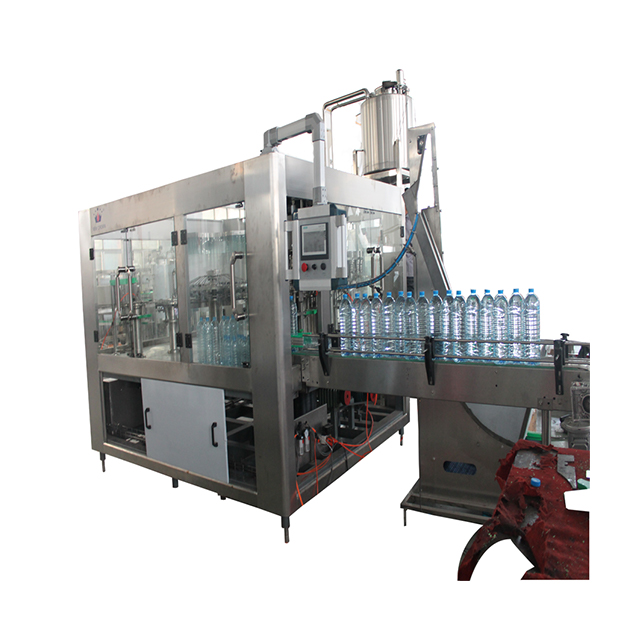
Even the most advanced Reverse Osmosis (RO) purification is completely rendered useless if contamination happens during the bottling phase. This hidden vulnerability threatens the entire production cycle. Stricter global health standards and rising consumer expectations now drive a massive shift in facility operations. Manual and semi-automatic processes no longer meet acceptable sanitation levels. Facilities are rapidly migrating to fully enclosed, automated systems to guarantee water safety.
A high-grade purified water filling machine operates not just as a packaging tool, but as a critical compliance safeguard. It strictly preserves water integrity, completely prevents microbial growth, and forcefully protects your brand reputation. In this guide, you will learn exactly how these systems secure the production line. We will explore which technical features you must evaluate. Finally, you will discover how to successfully navigate complex implementation realities.
Key Takeaways
Preservation over Purification: Filling machines do not purify water; they maintain the zero-contamination state of treated water through sterile, automated environments.
The 3-in-1 Monoblock Advantage: Integrating rinsing, filling, and capping into a single enclosed unit drastically reduces secondary human and environmental contamination.
Compliance is Built-In: Modern equipment utilizes food-grade stainless steel (SUS304/316L) and automated Clean-in-Place (CIP) systems to meet FDA, WHO, and local health mandates.
ROI Through Risk Mitigation: Investing in reliable automated filling reduces product recalls, minimizes waste, and lowers long-term operational downtime.
The Business Problem: Where Packaged Water Quality Typically Fails
Many plant managers mistakenly believe water purification ends at the RO membrane. They ignore the most critical phase of production. The highest risk of microbial and particulate contamination occurs in the fleeting seconds between water treatment and bottle sealing. We call this the post-treatment vulnerability gap. Once water leaves the sealed treatment pipes, it enters a highly exposed environment. Any ambient air or poorly sanitized surface can instantly ruin thousands of gallons of pure water.
Human intervention introduces severe risks into this delicate process. When operators manually handle empty bottles, they introduce biological variables. Open-air exposure allows airborne pathogens to settle inside the containers. Inconsistent capping torque further compounds this issue. If a cap is too loose, oxygen slowly seeps into the bottle. This oxygen fuels the growth of harmful bacteria like Pseudomonas aeruginosa. Once this bacteria multiplies, it completely destroys the product shelf life.
Skin Contact: Direct operator handling transfers natural oils and skin flora onto bottle necks.
Ambient Air Exposure: Prolonged open-air transport invites dust, mold spores, and airborne microbes.
Improper Sealing: Inconsistent mechanical torque leaves micro-gaps for oxygen ingress.
Poor filling hygiene directly impacts the bottom line. Regulatory agencies routinely sample packaged drinking water. If they detect elevated microbial counts, they mandate immediate batch rejections. You then face hefty regulatory fines. Beyond immediate financial losses, your brand reputation suffers irreparable damage. Consumers who experience off-tasting or contaminated water rarely return to your brand. Securing this vulnerability gap is essential for long-term survival.
How a Purified Water Filling Machine Secures the Production Line
Transitioning to an automated Purified Water Filling Machine eliminates these fatal vulnerabilities. It creates an isolated environment where the product remains perfectly sterile.
The 3-in-1 Monoblock Architecture
Modern equipment relies on a continuous, automated flow. We call this the 3-in-1 monoblock architecture. It combines washing, filling, and capping into one compact machine frame. Bottles enter the machine via air conveyors and seamlessly transfer between stations. Reducing the physical footprint is highly intentional. It strictly minimizes the time empty bottles remain exposed to ambient plant air. A shorter travel distance translates to a drastically lower contamination probability.
Sterile Rinsing Mechanisms
Before any water enters the bottle, the machine executes a rigorous sterile rinse. High-pressure nozzles inject ozonated water or pure RO water into the inverted bottle. This aggressive spray forces out pre-existing dust, static debris, and loose plastic particles. The bottle drains rapidly before flipping upright. Using ozonated water adds an extra layer of security. It sanitizes the inner plastic walls and neutralizes any residual organic matter instantly.
Precision Micro-Pressure Filling
Once rinsed, bottles move immediately to the filling carousel. Here, enclosed micro-negative pressure filling valves take over. These specialized valves prevent splashing, foam generation, and airborne particle entrapment during liquid transfer. The nozzle descends precisely into the bottle neck. Liquid flows smoothly down the interior walls rather than splashing violently. This controlled transfer prevents oxygen from mixing into the water. Less oxygen means fewer opportunities for aerobic bacteria to survive.
Instantaneous Hermetic Sealing
The final and most crucial step is capping. Automated magnetic torque capping ensures airtight seals instantly after the filling process finishes. A perfectly calibrated magnetic clutch applies the exact required rotational force to every single cap. It never over-tightens and cracks the plastic. It never under-tightens and leaves micro-leaks. Securing the seal within milliseconds halts all oxygen and biological ingress. The water is now perfectly safe for long-term storage and distribution.
Evaluating Equipment: Critical Features for Decision-Makers
You must rigorously evaluate specific mechanical features before purchasing a Purified Water Filling Machine. Upfront due diligence prevents catastrophic quality failures later.
First, inspect the sanitary material standards. You must require SUS304 or SUS316L stainless steel for all fluid-contact parts. Lower-grade metals inevitably corrode over time. Corrosion creates microscopic pits in the metal surface. Bacteria quickly adhere to these rough patches and form highly resistant biofilms. SUS316L stainless steel offers superior resistance to corrosive sanitizing chemicals, ensuring a perfectly smooth, sterile fluid path for decades.
Next, evaluate the integrated Clean-in-Place (CIP) systems. A premium machine performs automated hot water, chemical, and pure water flushing. It executes these cycles without requiring operators to dismantle the line. You simply connect the CIP return loops. The machine then circulates high-velocity cleaning solutions through every valve, pipe, and nozzle. This automated precision removes the risk of human error during daily sanitization routines.
You must also prioritize air filtration and physical enclosures. Look closely for HEPA-filtered laminar flow enclosures situated directly above the filling zone. These systems push a continuous stream of ultra-clean air downward over the open bottles. They establish Class 100 cleanroom standards within the machine's micro-environment. This positive air pressure physically prevents dirty ambient factory air from entering the critical filling carousel.
Finally, insist on No-Bottle, No-Fill and No-Cap sensors. Many view these simply as waste-reduction features. However, they function primarily as essential sanitation safeguards. If a bottle is missing, the valve will not release water. This prevents spilled pure water from pooling on the machine deck. Stagnant water on the equipment deck breeds bacteria rapidly. Keeping the environment completely dry is critical for maintaining overall plant hygiene.
Standard vs. Advanced Filling Machine Features
Feature Category
Standard Machine Configuration
Advanced Hygienic Configuration
Material Grade
SUS304 for fluid contact parts
SUS316L for all internal fluid paths
Air Environment
Basic acrylic dust covers
HEPA-filtered laminar flow (Class 100)
Sanitization
Manual breakdown and flushing
Fully automated, closed-loop CIP integration
Capping Mechanism
Friction-based mechanical clutches
Precision magnetic torque clutches
Implementation Realities, Risks, and Maintenance Challenges
Even the finest equipment faces rigorous operational realities. Understanding common mechanical failures helps you build proactive maintenance schedules. Capping head wear is a frequent issue. The magnetic clutches slowly lose calibration after millions of cycles. Valve blockages occur if upstream filtration degrades. Sensor misalignment easily halts production or causes false reads. You must address these realities immediately, as they directly impact your final water safety.
Facility managers frequently misunderstand the CIP paradox. They assume an automated system guarantees flawless hygiene. However, a CIP system remains only as effective as your operational SOPs. The machine itself cannot replace operator discipline. Your staff must actively ensure the correct chemical concentrations enter the dosing tanks. They must rigorously monitor temperature controls for hot water flushes. If operators use expired chemicals or cut cycle times short, the machine will fail to sterilize the lines.
Changeover downtime presents another significant risk vector. Bottling plants rarely run only one bottle size. You will eventually switch between 500ml and 1L formats. This reality requires swapping starwheels, guide rails, and capping chucks. Every time operators touch the machine interior, they risk introducing contamination. You must enforce strict sterilization protocols for all changeover parts before installing them back onto the machine deck.
Your machine also requires very specific facility prerequisites to succeed. You cannot simply place a high-tech monoblock onto a dirty factory floor.
Stable Compressed Air: Pneumatic components demand oil-free, moisture-free, high-pressure air to function accurately.
Isolated Cleanroom Environment: The surrounding room must feature washable epoxy floors and positive air pressure.
Proper Floor Drainage: Sloped stainless steel trench drains must rapidly remove wastewater away from the machine base.
Consistent Power Supply: Voltage fluctuations easily scramble delicate PLC logic and sensor calibrations.
Shortlisting Logic: Choosing the Right Machine for Your Plant
Selecting the right equipment requires a strict analytical framework. You must carefully assess your capacity versus your footprint needs. Start by analyzing your target BPH (Bottles Per Hour). Small-scale startups often benefit from linear machines. They handle lower volumes and require less floor space. However, commercial-scale operations must utilize rotary monoblocks. Rotary systems efficiently handle massive volumes while maintaining exact precision at high speeds.
Integration with upstream systems is equally non-negotiable. Your chosen filling equipment must feature seamless PLC communication. It must talk constantly with your existing RO water treatment plant. If the filler stops, the RO plant must automatically recirculate its water. The filler must also communicate flawlessly with downstream labeling and packaging lines. This synchronized communication prevents catastrophic bottlenecks and reduces operator intervention.
Finally, heavily weigh vendor support and spare parts availability. Never purchase isolated equipment without local technical backup. Emphasize the importance of selecting OEMs that offer rapid, localized engineering support. Demand a comprehensive FAT (Factory Acceptance Testing) before the machine ships. Ensure they build the machine using standardized, easily replaceable pneumatic and electrical components. Proprietary electronics will cripple your production line if they fail unexpectedly.
Linear vs. Rotary Machine Comparison Chart
Machine Type
Ideal Capacity (BPH)
Footprint Requirements
Best Use Case
Linear Filling Machine
Under 3,000
Compact / Rectangular
Startups, specialty glass runs
Rotary Monoblock
3,000 to 36,000+
Large / Square or L-Shape
High-speed commercial distribution
Conclusion
A top-tier purified water filling machine fundamentally transforms your facility. It transitions your operations from reactive quality control to proactive quality assurance. You no longer hope the water is clean; you actively engineer an environment where contamination cannot survive. This technological leap protects your consumers and secures your market position permanently.
We advise all facility operators to prioritize hygienic design above all else. Do not sacrifice integrated CIP systems or HEPA enclosures for raw speed or the lowest initial CAPEX. A cheap machine ultimately costs more through product recalls and endless downtime. Build your line around uncompromising sanitary standards.
Take proactive steps today to secure your liquid packaging line. Prompt your production managers or plant engineers to request a technical consultation. Schedule a comprehensive line layout audit. Secure a detailed equipment quote to understand exactly what your specific facility requires for optimal safety.
FAQ
Q: How often should a purified water filling machine undergo CIP cleaning?
A: Industry protocols mandate daily CIP cleaning for continuous operations. Operators typically perform a hot pure water flush at the end of each daily shift. A deeper sanitization, utilizing alkaline and acidic chemical washes, must occur weekly. High-risk environments might require chemical CIP every 48 hours to guarantee absolute microbial safety.
Q: Does the filling machine filter the water before bottling?
A: No, filling machines do not filter the water. They rely entirely on upstream RO and UV treatment systems for purification. The machine's sole purpose is to execute a safe, sterile transfer of already-purified water into the bottle without introducing new contaminants.
Q: Can one machine handle both PET and glass bottles?
A: Standard machines cannot. PET bottles require neck-handling starwheels, while glass bottles demand base-handling platforms to prevent shattering. If you need to run both materials, you must purchase a specialized hybrid machine. These hybrids feature highly customized gripping mechanisms to safely manage both formats without risking glass breakage or contamination.
Q: What is the standard lifespan of an automated water filling monoblock?
A: A high-quality automated monoblock realistically lasts 10 to 15 years. Achieving this lifespan requires strict adherence to preventive maintenance protocols. You must perform regular lubrication, replace wear parts promptly, and execute proper daily CIP schedules to prevent internal corrosion.