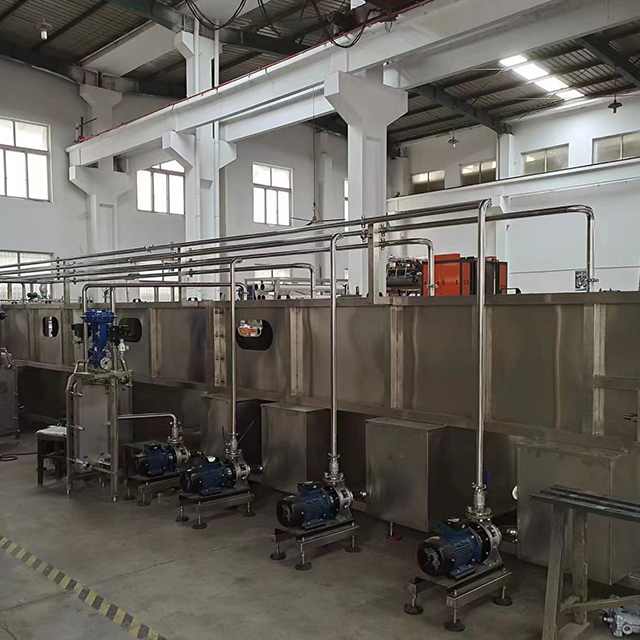
The global demand for fresh, high-quality fruit juices has surged as consumers become increasingly health-conscious. However, raw juice is highly susceptible to microbial contamination and enzymatic browning, which can compromise safety and drastically shorten shelf life. For beverage manufacturers, the pasteurizer machine is the critical line of defense, ensuring that products remain shelf-stable while preserving the delicate balance of flavor, vitamins, and nutrients that customers expect.
To use a pasteurizer machine for juice effectively, operators must feed the raw liquid through a heat exchanger where it is rapidly heated to a specific temperature—typically between 71°C and 85°C—held for a precise duration (15 to 30 seconds), and then immediately cooled to prevent over-processing. This controlled thermal treatment, known as High-Temperature Short-Time (HTST) or Flash Pasteurization, effectively eliminates pathogenic bacteria and deactivates spoilage enzymes without boiling away the juice's natural essence.
Understanding the nuances of thermal processing is essential for any scalable juice production line. From selecting the right heat exchange technology to mastering the automation controls, the transition from raw extraction to bottled excellence depends on technical precision.
In this comprehensive guide, we will explore the mechanical architecture of these systems, the scientific necessity of thermal treatment in the beverage industry, and the strategic criteria for selecting the most efficient equipment for your facility.
Table of Contents
What Makes Up a Pasteurizer Machine?
Juice Safety and Quality: The Role of Pasteurization in Production
How to Find Reliable Machines
Selecting the Right Pasteurizer for Your Needs
Conclusion
What Makes Up a Pasteurizer Machine?
A pasteurizer machine is a sophisticated thermal system composed of a balance tank, a heat exchanger (plate or tubular), a holding tube, a diversion valve, and a centralized control system that works in unison to regulate temperature and flow.
The Core Components of Thermal Systems
The heart of any pasteurizer machine is the heat exchanger. In juice processing, two primary types are used: Plate Heat Exchangers (PHE) and Tubular Heat Exchangers. Plate exchangers consist of a series of thin, corrugated stainless steel plates that create a large surface area for heat transfer between the heating medium (hot water or steam) and the product. Tubular exchangers, on the other hand, use concentric pipes and are better suited for juices containing pulp or high fiber levels that might clog the narrow channels of a plate system.
The balance tank serves as the entry point, maintaining a constant head pressure for the feed pump. This ensures that the flow of juice remains steady, preventing fluctuations that could lead to uneven heating. As the juice leaves the heat exchanger, it enters the "holding tube." This is a length of pipe calculated precisely to ensure the juice remains at the target temperature for the exact number of seconds required to achieve legal pasteurization standards.
Modern systems are managed by a Programmable Logic Controller (PLC) with a Touch Screen interface. This "brain" of the pasteurizer machine monitors sensors throughout the line. If the temperature drops even a fraction of a degree below the set point, a flow diversion valve automatically triggers, sending the under-processed juice back to the balance tank. This fail-safe mechanism is what guarantees that not a single drop of unsafe product reaches the filling station.
Supporting Infrastructure for Juice Processing
Beyond the primary thermal components, a high-efficiency pasteurizer machine requires a robust thermal recovery section. This is where the incoming cold juice is pre-heated by the outgoing hot juice. By exchanging heat between the two streams, manufacturers can reduce energy consumption by up to 90%. This "regeneration" process is not just an environmental benefit but a significant cost-saving measure for high-volume operations.
A vacuum degasser is often integrated into the line before the juice reaches the final heating stage. When juice is extracted, it often contains dissolved oxygen, which can lead to oxidation and loss of Vitamin C during heating. The degasser removes these micro-bubbles, ensuring a clearer product with a more vibrant, natural color. Additionally, a homogenization unit may be placed in-line to break down pulp particles, ensuring the juice has a smooth mouthfeel and does not separate in the bottle.
Juice Safety and Quality: The Role of Pasteurization in Production
The primary role of a pasteurizer machine in juice production is to provide a validated kill-step for pathogens like E. coli and Salmonella while deactivating Pectin Methyl Esterase (PME) enzymes to maintain the juice's physical stability and taste profile.
Microbiological Safety and Pathogen Control
Food safety is the non-negotiable foundation of the beverage industry. Raw fruit, regardless of how thoroughly it is washed, can harbor harmful microorganisms from soil or handling. A pasteurizer machine utilizes thermal energy to rupture the cell walls of these pathogens. By maintaining a specific temperature-time correlation, the machine achieves a 5-log reduction in the most resistant bacteria, effectively making the juice safe for human consumption.
Without a reliable pasteurizer machine, the risk of foodborne illness outbreaks is high, which can lead to catastrophic legal and financial consequences for a brand. Modern juice processing focuses on the "minimum effective dose" of heat—treating the liquid just enough to kill the bad actors while leaving the delicate flavor molecules intact. This balance is what separates premium "not-from-concentrate" (NFC) juices from highly processed, shelf-stable alternatives.
Preserving Sensory Attributes and Shelf Life
The secondary but equally vital role of the pasteurizer machine is the deactivation of enzymes. In citrus juices, for instance, the enzyme PME causes "cloud loss," where the juice separates into a clear liquid and a thick sediment. By heating the juice to approximately 85°C for a few seconds, these enzymes are rendered inactive, allowing the juice to maintain its cloudy, fresh-squeezed appearance throughout its shelf life.
Factor
Raw Juice
Pasteurized Juice
Microbial Load
High (Potential Pathogens)
Negligible (Safe)
Enzyme Activity
Active (Leads to separation)
Inactive (Stable Cloud)
Shelf Life
2 to 5 Days (Chilled)
30 to 180+ Days (Depending on packaging)
Nutrient Retention
100%
90% to 95% (Optimized HTST)
Furthermore, the pasteurizer machine extends the commercial viability of the product. While raw juice might spoil in less than a week, pasteurized juice stored in a cold chain can last for several weeks. If the juice is processed through an Ultra-High Temperature (UHT) system and packaged aseptically, it can even remain shelf-stable at room temperature for months.
How to Find Reliable Machines
Finding a reliable pasteurizer machine involves vetting manufacturers based on their use of food-grade materials like 316L stainless steel, the precision of their automation components, and their ability to provide comprehensive after-sales support and certification compliance.
Evaluating Material Quality and Engineering
When sourcing a pasteurizer machine, the first point of inspection should be the bill of materials. Because fruit juices are naturally acidic, all contact surfaces must be constructed from high-grade, corrosion-resistant stainless steel (AISI 316L). Inferior metals can leach into the product or pit over time, creating "harborage points" for bacteria. A reliable manufacturer will provide certificates of origin for their steel and ensure that all welds are sanitary-grade and polished.
Reliability is also found in the "small" parts—the pumps, valves, and sensors. Reputable pasteurizer machine builders often use world-class components from brands like Alfa Laval, Siemens, or Schneider Electric. These components are easier to calibrate and, crucially, easier to replace if a part fails. Using a machine with proprietary, off-brand sensors can lead to weeks of downtime while waiting for a specific part from overseas.
Manufacturer Track Record and Testing
A reliable supplier does more than just sell a pasteurizer machine; they provide a solution tailored to your specific fruit type. You should look for manufacturers who offer:
Factory Acceptance Testing (FAT): The ability to test the machine with your specific product before it leaves the factory.
Customization Options: Capacity to adjust the holding tube length or plate configuration based on the viscosity of your juice.
Comprehensive Documentation: Full manuals, wiring diagrams, and software backups are essential for long-term maintenance.
Local or Remote Support: In an age of connectivity, many reliable machines now feature remote diagnostic modules that allow engineers to troubleshoot software issues via the cloud.
Selecting the Right Pasteurizer for Your Needs
Selecting the right pasteurizer machine requires a careful analysis of your production volume, the viscosity of your juice (with or without pulp), and your final packaging method to ensure the equipment matches your operational goals.
Matching Machine Type to Juice Characteristics
The physical properties of your beverage dictate the technology required. If you are processing clear apple juice or filtered water, a Plate pasteurizer machine is the most efficient choice. It offers the highest heat transfer coefficient and the smallest footprint. However, if your product is a thick mango puree or a pulpy orange juice, a plate system will clog rapidly. In these cases, a Tubular pasteurizer machine is mandatory. The wider flow paths in the tubes allow solids to pass through without causing pressure spikes or burning onto the surfaces.
Another consideration is the desired shelf life. If you intend to sell "Fresh" juice with a 30-day cold-chain life, a standard HTST (High-Temperature Short-Time) unit is sufficient. If you are targeting international export with a 6-month shelf life at ambient temperature, you must invest in an Aseptic pasteurizer machine capable of reaching UHT temperatures and integrating with an aseptic filler.
Balancing Capacity and Future Growth
Scalability is a common pitfall in equipment selection. A pasteurizer machine that meets your needs today might become a bottleneck next year. Many plate-based systems are modular, meaning you can add more plates to the frame to increase capacity later. Tubular systems are less flexible, so it is often wise to buy a unit with a slightly higher capacity than currently required.
Production Rate: Calculate your required liters per hour (LPH), accounting for cleaning cycles (CIP).
Energy Source: Determine if your facility has sufficient steam or if you need an electrically heated hot water set.
Automation Level: Semi-automatic systems are cheaper but require constant monitoring; fully automatic systems reduce labor costs and human error.
Cleaning in Place (CIP): Ensure the machine is designed for easy cleaning. A pasteurizer machine that is hard to clean will eventually lead to batch contamination.
Conclusion
The implementation of a high-performance pasteurizer machine is a transformative step for any beverage business. By masterfully balancing the thermal requirements of safety with the delicate art of flavor preservation, these machines allow producers to scale their operations without compromising the integrity of their product. Whether you are processing clear juices with a plate system or thick purees with tubular technology, the focus must always remain on precision, material quality, and hygienic design. Investing in a reliable pasteurizer machine is not just an equipment purchase; it is an investment in your brand’s reputation and the safety of your consumers.