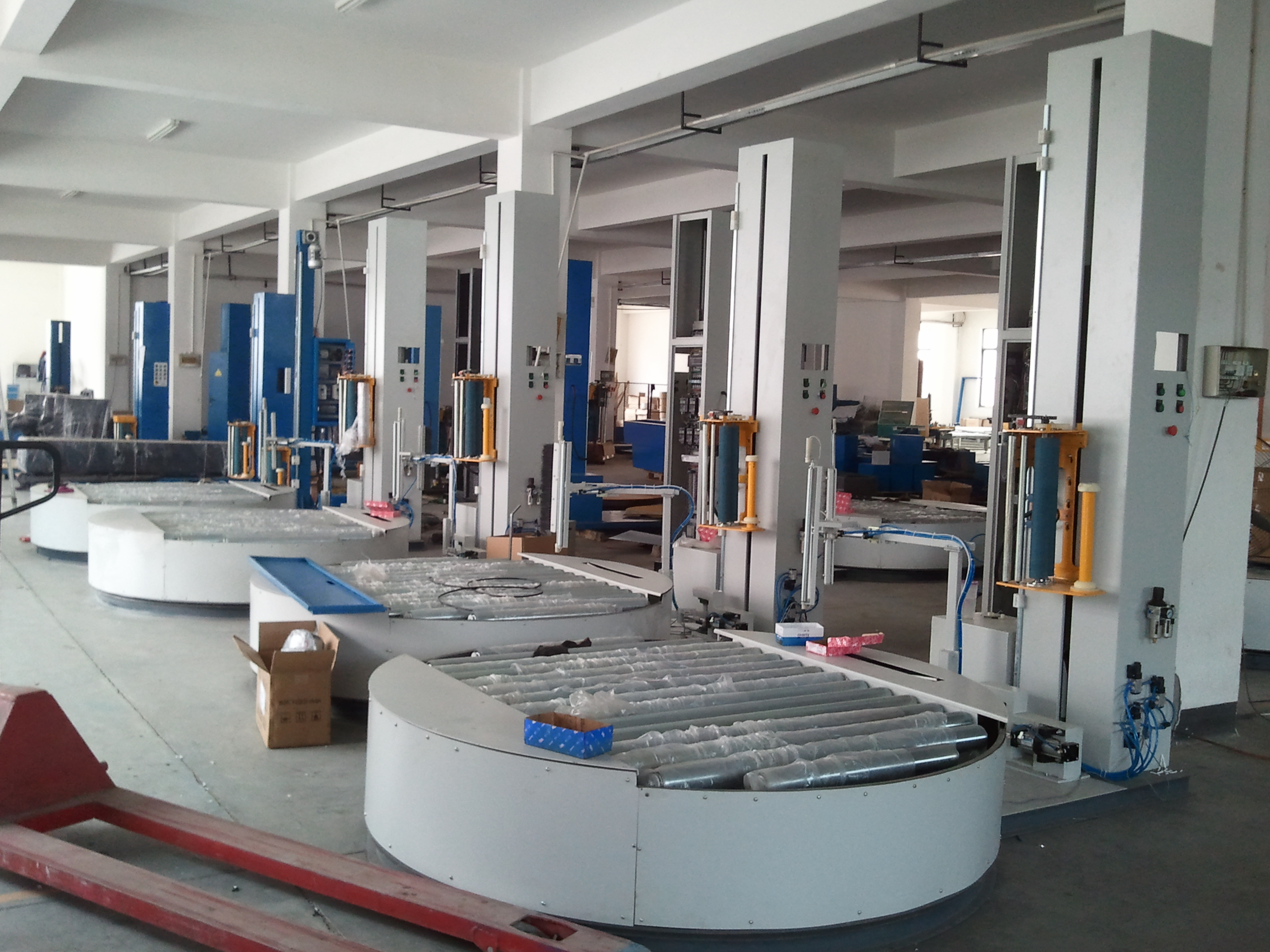
Maintaining a filling machine, especially one used for bottling water or other beverages, is essential to ensuring smooth operation, high-quality product output, and long-term durability. Whether you operate a Glass Bottle Filling Machine, Beverage Filling Machine, Juice Filling Machine, Beer Filling Machine, or Tin Filling Machine, regular maintenance is crucial to keep the equipment running efficiently. In this article, we will cover the essential steps for maintaining a bottle water filling machine, preventive maintenance practices, advanced techniques, and common issues along with their quick fixes. By following these tips, you can minimize downtime and optimize the performance of your filling machine.
Essential Steps for Maintaining a Bottle Water Filling Machine
Maintaining a filling machine requires careful attention to detail, and several essential tasks must be performed regularly to ensure it continues to function at peak performance. Below are the fundamental steps for maintaining a bottle water filling machine:
1. Regular Cleaning and Sanitization
One of the most important aspects of maintaining a bottle water filling machine is cleanliness, especially when bottling consumable products like water, juice, and beverages. Cleaning the machine helps to avoid contamination and ensures that the final product meets safety and quality standards. It is critical to clean the following parts:
Filling nozzles: Over time, residues can build up in the filling nozzles, potentially causing contamination or incorrect filling. Clean the nozzles after every production cycle.
Tanks and reservoirs: These need to be sanitized regularly, as any contamination could compromise the quality of the liquid being bottled.
Conveyors and belts: The conveyors that move bottles through the filling line should be cleaned regularly to avoid any product buildup, which could lead to operational disruptions.
2. Lubrication of Moving Parts
Filling machines contain several moving parts such as motors, pumps, and valves. Lubrication is essential to reduce friction and wear, thereby extending the lifespan of these parts. Be sure to lubricate:
Pumps: Regularly check the pump's performance and apply lubricant as required.
Motors and gears: These parts need proper lubrication to ensure they are running smoothly without overheating or malfunctioning.
Conveyor belts: Ensure the conveyor system is running smoothly to avoid interruptions in the filling process.
3. Inspecting Seals and Valves
The seals and valves on a filling machine are vital components that prevent leaks and ensure the liquid is dispensed correctly. Check them frequently for signs of wear and tear. If seals become cracked or worn out, it can lead to product leakage and contamination, which could ruin the entire batch of bottled product. Replace faulty seals and valves to maintain the machine’s efficiency.
4. Maintaining Pressure and Temperature Levels
For machines like beer filling machines, juice filling machines, and beverage filling machines, managing pressure and temperature is essential to ensure proper filling. Incorrect pressure can cause overfilling or underfilling, while improper temperature settings can affect the taste and safety of the product.
Check pressure levels: Ensure that the pressure of the filling system is regulated correctly. Machines like beer filling machines require a balance of pressure to keep the carbonated liquid from foaming too much or losing carbonation.
Monitor temperature: For juice filling machines and beverage filling machines, monitor the liquid’s temperature to prevent spoilage and preserve taste.
5. Calibration and Accuracy Checks
Regular calibration of the filling machine is crucial to maintaining consistency in the filling process. This is particularly important in high-speed environments, where filling levels can fluctuate due to changes in pressure, flow rates, or equipment wear. Here’s what to do:
Check filling accuracy: Use calibration tools to verify that the machine dispenses the correct volume of liquid per container.
Adjust flow meters: If your filling machine uses flow meters to regulate the amount of liquid being dispensed, check them regularly for accuracy and recalibrate as needed.
Preventive Maintenance Practices
Preventive maintenance is a proactive approach to machine care that helps avoid unexpected failures. Incorporating these practices into your maintenance routine will help extend the lifespan of your filling machine and improve its performance.
1. Set a Maintenance Schedule
Establish a regular schedule for maintenance, with daily, weekly, and monthly tasks. A preventive schedule might include:
Daily: Inspect and clean the nozzles and filling heads, monitor pressure levels, and check for leaks.
Weekly: Perform detailed inspections of valves, seals, and pumps, check lubrication levels, and inspect the overall filling process for any inconsistencies.
Monthly: Review the overall system performance, calibrate the filling machine, check air supply systems, and inspect electrical connections.
2. Use the Right Parts
Always use original parts or components that meet the specifications of your filling machine. Using substandard or incompatible parts can reduce the machine’s efficiency, increase the risk of malfunctions, and shorten its lifespan. Keep a stock of essential spare parts like seals, gaskets, and nozzles to minimize downtime during repairs.
3. Monitor the Production Environment
Ensure that the environment in which the filling machine operates is clean and conducive to efficient operation. Proper ventilation, temperature control, and humidity regulation are essential to maintain the ideal operating conditions for your filling machine.
4. Train Operators
Operators should be well-trained in both the operation and maintenance of the filling machine. Providing them with the necessary knowledge and skills can help prevent user error, which can lead to premature wear or incorrect filling.
Advanced Maintenance Techniques
For more advanced maintenance and ensuring the longevity of a bottle water filling machine, here are some strategies:
1. Vibration Monitoring
Regular vibration checks can help identify wear and tear on critical components like motors, pumps, and filling heads. By monitoring vibrations, you can detect early signs of failure and address them before they lead to major issues.
2. Advanced Diagnostics
Modern filling machines are often equipped with diagnostic software that monitors the machine’s performance. Use these built-in systems to identify potential issues such as flow irregularities, pressure imbalances, or worn components. Running diagnostics periodically ensures that the filling machine is always running at peak performance.
3. Remote Monitoring Systems
Some advanced filling machines, particularly Beverage Filling Machines or Juice Filling Machines, come with remote monitoring systems that allow operators to monitor machine performance from a distance. This system can track parameters like pressure, filling levels, and machine uptime, providing real-time alerts when maintenance or calibration is required.
Common Issues and Quick Fixes
Despite regular maintenance, issues can arise in filling machines. Below are some common problems with quick fixes to help keep your filling machine running smoothly.
1. Problem: Inconsistent Filling Levels
Quick Fix: If you notice that the filling levels are inconsistent, the issue may lie with the flow meter or nozzle. Ensure that the nozzles are clean, the flow meter is calibrated, and the machine is dispensing the correct amount of liquid. You may need to recalibrate the machine or adjust the filling pressure.
2. Problem: Leaking Nozzles
Quick Fix: Leaking nozzles can be caused by worn-out seals, clogging, or misalignment. Inspect and clean the nozzles, and replace any worn-out seals. Ensure that the nozzles are correctly aligned with the bottles.
3. Problem: Machine Jams or Slows Down
Quick Fix: Jams or slowdowns often occur due to misalignment of bottles or mechanical issues. Check the conveyor system to ensure it is running smoothly. Inspect the gears, motors, and belts for wear and lubricate them accordingly.
4. Problem: Overfilling or Underfilling
Quick Fix: Overfilling or underfilling can be caused by incorrect machine settings or malfunctioning sensors. Verify that the machine is correctly calibrated, and check the pressure and flow rate to ensure they are within the specified limits.
5. Problem: Slow Filling Speed
Quick Fix: If the filling machine is working slower than usual, check for blockages in the lines, inspect the pump for wear, and ensure that the air supply is adequate. You may need to clean the pump or replace a faulty valve.
Conclusion
Regular maintenance of a bottle water filling machine is crucial to ensure its smooth operation, minimize downtime, and maximize efficiency. By implementing essential steps such as cleaning, lubrication, and calibration, you can extend the lifespan of your filling machine and avoid unexpected breakdowns. Preventive maintenance practices like setting a maintenance schedule and using genuine parts also contribute to long-term performance. For more complex issues, advanced techniques such as vibration monitoring and remote diagnostics can provide in-depth insights into the health of your filling machine.
Common issues like inconsistent filling, leaking nozzles, and machine jams can often be resolved quickly with simple fixes, allowing your production line to continue running without disruption. Whether you operate a Glass Bottle Filling Machine, Beverage Filling Machine, Juice Filling Machine, Beer Filling Machine, or Tin Filling Machine, consistent maintenance ensures that your machine performs optimally, helping you meet production targets and maintain product quality.


