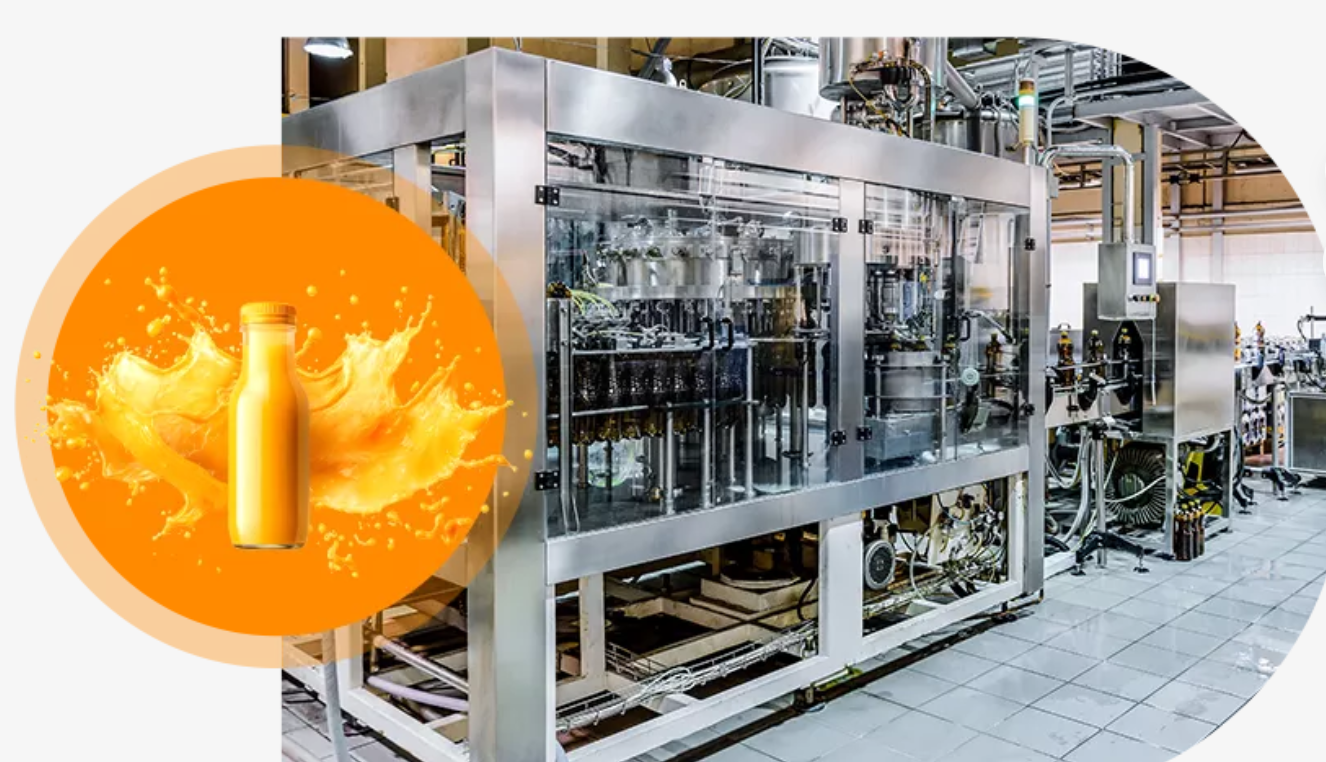
Have you ever wondered how liquids are filled accurately into bottles at high speed? Liquid filling machines play a crucial role in packaging industries, ensuring precision and efficiency. They're essential in sectors like food and beverage, pharmaceuticals, and cosmetics.
Understanding the working principle behind these machines is vital for optimizing performance and safety. In this post, we’ll explore how liquid filling machines work and why mastering their operation is key to enhancing production efficiency.
Overview of Liquid Filling Machines
What is a Liquid Filling Machine?
A liquid filling machine is a device used to fill containers with liquid substances. Its primary function is to ensure precise, consistent, and efficient filling of liquids into bottles, jars, and other containers. These machines are essential in industries like food and beverage, pharmaceuticals, and cosmetics, where accuracy and speed are crucial.
In the food and beverage industry, liquid filling machines ensure the consistency of drinks like juices, soft drinks, or dairy products. In pharmaceuticals, they ensure medications are filled into vials or bottles with accurate dosage amounts. In cosmetics, precision is necessary for filling bottles with lotions, shampoos, or perfumes.
Types of Liquid Filling Machines
There are several types of liquid filling machines, each designed to handle different liquids and production needs:
Volumetric Filling Machines: These measure the liquid by volume, ensuring consistent amounts are filled into each container. Volumetric systems are simple and efficient, making them ideal for liquids that have a uniform viscosity.
Gravimetric Filling Machines: They rely on weight to measure the liquid, making them ideal for products with varying densities, such as oils or syrups. This system ensures precise filling, even with fluctuations in liquid properties.
Piston Filling Machines: These are commonly used for thicker liquids, offering precise control over the amount dispensed. Piston fillers are great for liquids that have high viscosity, such as creams, pastes, or gels, where volumetric machines may fall short.
Peristaltic Filling Machines: These use rollers to push liquid through tubes, making them ideal for sanitary or delicate products like pharmaceuticals or cosmetics. Peristaltic systems offer accurate fills without the risk of contamination, which is crucial in sensitive industries.
Main Components of Liquid Filling Machines
Liquid filling machines are made up of several key components that ensure efficient and precise operation:
Tank/Reservoir: This holds the liquid to be filled, feeding the liquid into the system. Some machines use pressurized tanks for faster filling, while others rely on gravity to move the liquid into containers.
Filling Valve: Controls the flow of liquid, ensuring the right amount is dispensed into each container. The valve may be electronically controlled for fine adjustments or manual for more flexible production lines.
Pump: The pump moves the liquid from the reservoir into the containers. It may be adjusted to control flow rate and speed. Some pumps use positive displacement, ensuring a consistent amount of liquid is dispensed each time.
Conveyor System: A conveyor moves containers into position for filling, helping to speed up the process. Automated conveyor systems often adjust the speed to match the filling rate, improving overall efficiency.
Control System: Most liquid filling machines have automated control systems. These manage the entire process, allowing for precise adjustments in speed, flow, and volume. They often include sensors that detect the fill level, ensuring optimal accuracy.
Precision in Machine Operations
Just like liquid filling machines, other precision tools such as magnetic drills play an important role in industries that require accuracy. Whether it’s filling liquids or drilling holes, the need for consistency and precision is critical.
The importance of stable, controlled operations cannot be overstated. It ensures that all containers are filled correctly, minimizing waste, and ensuring regulatory compliance in industries such as pharmaceuticals and food production. The precision of the machine also contributes to minimizing costs and improving the overall quality of the end product.
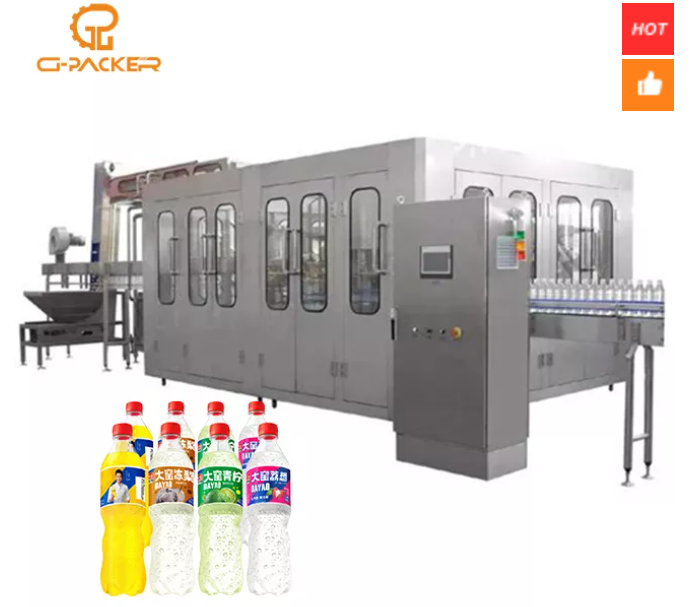
Working Principle of Liquid Filling Machines
How Does a Liquid Filling Machine Operate?
Liquid filling machines work through a well-defined process, ensuring precise and consistent filling. Here’s how it generally operates:
Container Positioning: First, the container is placed under the filling nozzle or valve. This can be done manually or automatically, depending on the machine. In automatic systems, sensors and robotics position the containers with high speed and accuracy.
Liquid Dispensing: The liquid is then dispensed from the reservoir into the container through the filling valve. The amount of liquid dispensed depends on the machine’s configuration. Some machines feature adjustable nozzles that can accommodate various container sizes.
Measuring the Liquid: Different methods are used to measure the right amount of liquid.
Volumetric: The liquid is dispensed by volume. This method is most common for liquids with a consistent viscosity, ensuring an accurate fill.
Gravimetric: Weight is used to measure the amount of liquid, making it ideal for thicker liquids with varying densities.
Time-Based: A fixed amount of liquid is dispensed in a set period, commonly used in systems that require fast, consistent fills.
Sealing the Container: After filling, the container may need to be sealed to prevent spillage or contamination. This can involve capping or other sealing mechanisms that ensure the product remains secure and fresh. In some cases, a capping station is integrated into the filling machine, providing a seamless transition from filling to sealing.
Types of Filling Mechanisms
There are different filling mechanisms used in liquid filling machines to cater to various types of liquids:
Volumetric Filling: The liquid is measured by volume, making it perfect for liquids with consistent viscosity. Volumetric filling systems use either a piston or a valve to dispense a pre-measured amount of liquid.
Gravimetric Filling: This method uses weight to ensure the precise amount of liquid, ideal for products with varying density. It is often used in industries where product consistency is paramount, such as cosmetics and pharmaceuticals.
Piston Filling: Best for thicker liquids or those with varying viscosity, piston filling offers a more controlled dispensing method. It works well with products like creams, lotions, or pastes, where consistency is crucial.
Peristaltic Filling: This mechanism uses rollers to push liquid through a tube, making it especially useful for sanitary applications where contamination must be avoided. The liquid is moved without coming into contact with the machinery, reducing the risk of contamination.
Stability and Precision in Operation
Just as magnetic drills rely on a stable magnetic base for accuracy, liquid filling machines also use controlled dispensing mechanisms to maintain stability. Whether it’s volumetric or gravimetric filling, the precision and consistency of the process ensure accurate liquid amounts are dispensed every time.
This stability is vital for maintaining the quality of the product and avoiding errors that could affect customer satisfaction or regulatory compliance. Machines with high precision can eliminate errors in filling, reducing waste and ensuring uniformity in production.
Advantages and Applications of Liquid Filling Machines
Efficiency and Consistency
Liquid filling machines are designed to provide uniformity in product quantity, ensuring each container receives the exact amount of liquid. This is especially important in high-volume production lines, where precision and speed are required. Automated systems allow for continuous operation, reducing human error and maintaining consistency across each filling cycle.
Automated control systems adjust speed and flow rate to achieve high-volume, accurate filling.
Consistent product quantity is essential for customer satisfaction and regulatory compliance. This is crucial in industries like pharmaceuticals, where exact dosage matters.
Reduced Wastage
One of the key advantages of liquid filling machines is their ability to minimize spills and overfills. By controlling the flow of liquid, these machines ensure that only the required amount is dispensed, preventing excess waste and saving costs. This feature also reduces the need for manual adjustments and increases overall production efficiency.
The precise control mechanisms help limit wastage and enhance cost-effectiveness.
Automated adjustments prevent overfilling, leading to less product loss.
Applications Across Industries
Liquid filling machines find applications in a variety of industries due to their versatility:
Food and Beverage Industry: These machines are commonly used for filling beverages such as juices, soft drinks, sauces, and oils. Their precision ensures that containers are filled quickly and accurately without contamination.
Pharmaceutical Industry: They are essential for filling bottles and vials with medicines, ensuring the right dosage and avoiding contamination during the process. The pharmaceutical industry demands the highest level of accuracy, and liquid filling machines provide that.
Cosmetics and Chemical Industries: Liquid filling machines are used to fill products like lotions, shampoos, and cleaning agents, where precision and sanitary conditions are crucial. This ensures that the products meet the quality standards set by regulatory bodies.
In industries that require high precision, like CNC drilling, liquid filling machines also play a vital role by ensuring accuracy and uniformity in the final product, especially when handling specific volumes.
Factors Influencing the Efficiency of Liquid Filling Machines
Viscosity of Liquid
The thickness of the liquid significantly affects the choice of the filling system. Thicker liquids, such as syrups or lotions, require different handling than thinner liquids like water or juice. For thicker liquids, systems like piston or peristaltic fillers are preferred as they offer better control over the flow and prevent clogging. Volumetric filling machines, typically used for water or low-viscosity liquids, may not provide the precision needed for thicker products.
Thicker liquids require pumps or systems capable of handling higher resistance.
Low-viscosity liquids often work well with faster, volumetric systems.
Container Shape and Size
The type of container being filled can affect the filling system's performance. Bottles, jars, and pouches each have unique shapes and sizes, influencing how the liquid is dispensed. For instance, irregularly shaped containers might need specialized equipment to ensure accurate filling. Machines with adjustable nozzles or rotary fillers are often used to accommodate different container shapes and sizes.
Filling Speed
Balancing filling speed and precision is crucial for efficient operations. High-speed machines are ideal for large-scale production, but they must still maintain accuracy to avoid overfills or underfills. Slower filling speeds may be necessary for higher viscosity products or containers with complex shapes, where precision is prioritized over speed. Optimizing the machine settings for both speed and accuracy can help reduce downtime and improve overall production efficiency.
Common Issues in Liquid Filling Machines and How to Overcome Them
Leaks and Spills
Leaks and spills can occur when the filling valve is not sealed correctly. This may happen due to worn-out gaskets, improper valve adjustment, or misalignment. Regular maintenance of the valve is essential.
Troubleshooting Tips:
Check the filling valve for wear and replace seals if necessary.
Ensure the valve is correctly aligned with the container opening.
Tighten any loose connections to prevent leakage.
Inconsistent Filling Amounts
Inconsistent filling amounts can be caused by faulty pump settings, variations in liquid viscosity, or air bubbles within the system. Small inconsistencies may result in uneven product distribution and customer dissatisfaction.
Clogging
Clogging is a common issue, particularly when dealing with viscous liquids such as syrups or lotions. Thick liquids can easily block the flow path, especially in pipes and nozzles, leading to reduced efficiency and delays.
Preventive Measures:
Use pumps and nozzles designed for thicker liquids to ensure smooth flow.
Regularly clean the filling system to prevent buildup.
Install filters or strainers to catch any debris before it reaches the filling area.
Conclusion
Liquid filling machines ensure precise dispensing of liquids into containers. Types include volumetric, gravimetric, piston, and peristaltic systems. Consider factors like liquid type, speed, and precision when selecting the machine. Stability and precision are key for optimal performance.
Regular maintenance is crucial for long-term efficiency. Industries can significantly improve processes by using the right liquid filling technology.
FAQ
Q: What is a liquid filling machine used for?
A: A liquid filling machine is used to fill containers with liquids such as beverages, oils, syrups, and cosmetics. It ensures precise, consistent, and efficient filling.
Q: What are the different types of liquid filling machines?
A: The main types are volumetric, gravimetric, piston, and peristaltic filling machines. Each type is suited for different liquids and production needs.
Q: How do liquid filling machines maintain accuracy?
A: Liquid filling machines use precise control systems and valves to measure and dispense liquid accurately, ensuring uniformity across all containers.
Q: What are common issues in liquid filling machines?
A: Leaks, inconsistent filling amounts, and clogging are common issues. Regular maintenance and proper machine settings can help resolve them.


