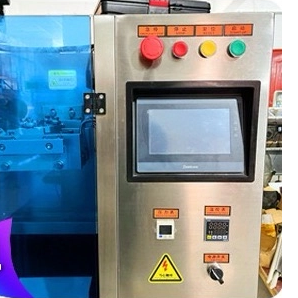
Transitioning from rigid containers to flexible stand-up pouches requires significant precision and careful planning. This becomes absolutely crucial when dealing with liquids that are prone to spilling, splashing, and seal contamination during fast-paced production runs. A sloppy fill process compromises product safety, ruins aesthetic shelf appeal, and drives up costly material waste. Upgrading to an automated liquid Doypack system represents a major capital expenditure for any packaging facility. Your ultimate success depends heavily on matching specific machine capabilities with your fluid viscosity, daily production targets, and physical facility constraints. Choosing the wrong configuration leads to excessive downtime and operational headaches. This comprehensive guide provides a practical framework for evaluating, shortlisting, and implementing the right equipment for your liquid packaging line. You will learn how to navigate technical requirements, compare structural configurations, and prepare your production floor for a highly efficient, seamless machinery installation.
Key Takeaways
Viscosity dictates configuration: Nozzle types and pump mechanisms must be explicitly matched to your product’s specific gravity and flow characteristics.
Seal integrity is non-negotiable: Liquid leakage ruins entire batches; evaluating a machine's sealing pressure and temperature controls is the highest priority.
OEE (Overall Equipment Effectiveness) matters more than top speed: Factor in format changeover times, cleaning cycles (CIP), and maintenance downtime when calculating true ROI.
Compliance and hygiene are standard, not optional: Ensure food-grade or pharma-grade contact parts (e.g., SUS304/316L stainless steel) align with your industry regulations.
How a Doypack Bags Filling Machine Handles Liquid Packaging
Managing fluids inside flexible packaging presents complex physical challenges. Liquids easily splash, aerate, and foam during high-speed operations. You must control these fluid dynamics perfectly to maintain high throughput. If even a microscopic drop of liquid lands in the top seal zone, the pouch will inevitably leak during transit. A highly engineered Doypack Bags Filling Machine tackles these issues through synchronized mechanical steps.
Let us examine the core components making precise liquid packaging possible.
Dosing Systems: Viscosity fundamentally dictates your pumping mechanism. Piston pumps excel at pushing thick liquids, heavy sauces, and dense gels with pinpoint accuracy. Conversely, gravity fillers or magnetic flow meters handle free-flowing liquids like water, clear juices, and broths.
Anti-Drip Nozzles: These mechanisms act as critical shut-off valves. They instantly stop fluid flow at the exact moment the dosing cycle ends to prevent trailing drips. This keeps the internal seal area completely dry and sterile.
Pouch Opening & Sensing: Modern equipment uses robust vacuum suction cups to pull pouches open reliably. Sensors verify successful opening before dispensing. A strict "no pouch, no fill" logic ensures you never dump valuable product into an empty machine station.
Stand-up pouches require specialized handling compared to traditional packaging. The iconic bottom gusset needs physical expansion before the liquid enters. Flat pouches simply hang vertically. Doypack handlers use dedicated bottom-opening mechanisms and targeted air blasts to shape the pouch base. This ensures maximum internal volume capacity and immediate shelf stability for the final product.
Rotary vs. Inline Machine Configurations: Choosing Your Path
Packaging lines usually adopt one of two main architectural layouts. You must choose between rotary and inline designs. Your facility space, production volume goals, and product variety will drive this critical choice.
Rotary machines operate in a circular carousel format. They shine brilliantly in high-speed, continuous production environments. Facilities facing tight floor space constraints often prefer them over alternative designs. The compact footprint fits neatly into crowded plant floors. You get multiple specialized stations packed closely into a small radius. One station opens the pouch, the next fills the liquid, and another seals and cools the laminate. However, they carry specific mechanical limitations. The internal mechanics run on complex cam systems and gearings. Maintenance requires highly specialized training. Format changeovers often consume significant time because operators must manually adjust multiple grippers arranged in a precise circle.
Inline machines, often called linear configurations, push pouches down a straight, visible track. They suit lower-speed operations or expanding startup facilities perfectly. They also excel when you prioritize rapid changeovers between many different pouch sizes during a single shift. The straightforward design makes them mechanically simpler to operate. Technicians enjoy much easier physical access for routine maintenance and visual inspections. You gain high operational flexibility. On the downside, they demand a much larger physical footprint in your building. They also generally yield a lower units-per-minute (UPM) output compared to heavy-duty rotary counterparts.
Use the detailed decision matrix below to align machine type with your specific goals.
Rotary vs. Inline Decision Matrix
Criteria
Rotary Doypack Machines
Inline (Linear) Doypack Machines
Target UPM (Speed)
High (typically 40-100+ UPM)
Low to Medium (typically 15-50 UPM)
Floor Space
Compact, square footprint
Long, extended footprint
Changeover Speed
Slower (complex mechanical adjustments)
Faster (straightforward access)
Mechanical Complexity
High
Low
5 Critical Evaluation Criteria for Decision Makers
1. Material Compatibility & Hygiene (CIP/SIP)
Hygiene standards drive equipment design strictly in food, beverage, and pharmaceutical packaging. You cannot compromise on material compatibility when handling consumable liquids. Always require SUS316L stainless steel for any parts physically touching your liquid product. This higher grade resists aggressive corrosion from highly acidic juices or alkaline cleaning fluids better than standard 304 steel. Furthermore, evaluate exactly how the system integrates with existing Clean-in-Place (CIP) or Sterilize-in-Place (SIP) protocols. Seamless integration flushes the internal piping automatically. This prevents dangerous bacterial buildup between production runs and minimizes manual scrubbing time.
2. Seal Quality and Testing
A weak seal destroys brand reputation and ruins expensive product batches. Top-tier equipment employs a rigorous two-step sealing process to guarantee integrity. A primary heat seal station melts the inner laminate layers together under high pressure. Immediately following this, a cold seal or cooling station solidifies the bond instantly to prevent warping. You should also evaluate your specific pouch material structure. Standard laminates respond very well to traditional heat sealing. However, ultrasonic sealing offers distinct advantages for specialized film structures. Ultrasonic waves push aggressively through liquid contamination in the seal zone, ensuring complete closure even if minor splashing occurs.
3. Format Changeover Efficiency
Frequent product size switches quickly eat into your daily production output. Modern packaging lines emphasize tool-less changeovers. These advanced systems use quick-release levers, hand wheels, and digital servos. They replace older mechanical adjustments requiring wrenches and tedious manual calibration. Always demand highly realistic timeline expectations from manufacturers. Marketing brochures often claim nearly instant changeovers. In practical experience, a well-designed format change usually takes 15 to 30 minutes depending on operator skill. Build this real-world buffer into your daily production schedules to maintain accurate efficiency metrics.
4. Software & Control Systems
Modern floor operators rely entirely on software to keep lines running smoothly. An intuitive Human-Machine Interface (HMI) radically reduces the operator learning curve. Clear visual dashboards help production teams diagnose faults instantly. Beyond the primary touchscreen, look closely at broader connectivity options. The machine should integrate smoothly with plant-wide ERP or SCADA systems. This data tracking provides real-time visibility into daily reject rates, machine uptime, and overall output. You can pinpoint specific inefficiencies before they cause major disruptions.
5. Footprint and Utility Requirements
An impressive packaging machine becomes useless if your facility cannot safely power it. Assess your pneumatic and electrical load prerequisites extremely early in the planning phase. Many project managers overlook compressed air demands. You need dry, highly filtered air running at a specific continuous cubic-feet-per-minute (CFM) rate to power pneumatic cylinders. Simultaneously, map out the electrical requirements. Confirm your facility can easily supply the necessary 3-phase industrial power without triggering dangerous circuit overloads. Ensure ceiling heights accommodate large liquid holding hoppers.
Implementation Realities: Hidden Costs and Risk Mitigation
Deploying a highly automated Doypack Bags Filling Machine involves significantly more effort than simply plugging in a power cord. You must actively anticipate hidden hurdles to ensure a smooth, profitable launch. Overlooking these details leads to massive budget overruns. Let us explore common implementation realities you will likely face.
Site Preparation: Physical installation often brings unwanted surprise expenses. You might incur heavy costs upgrading main electrical panels to handle new electrical loads safely. Many facilities also discover they need much larger industrial air compressors to meet ongoing pneumatic demands. Address these utility gaps months before delivery.
Operator Training Gap: Your floor team will inevitably face a steep learning curve. Mechanical adjustments require nuanced precision. Troubleshooting HMI error codes takes practical, hands-on practice. Invest heavily in structured, formal training sessions during the commissioning phase to build operator confidence quickly.
Preventative Maintenance: Operating budgets must explicitly account for routine consumable parts. Teflon sealing bands, rubber vacuum suction cups, and electrical heating elements degrade steadily over time. Stocking these essential spares locally prevents sudden, prolonged production stops when components naturally wear out.
Factory Acceptance Testing (FAT): Never skip this highly critical verification step. You must demand a rigorous FAT before authorizing shipment. The manufacturer must run the test using your exact pouch film and your specific liquid product. Simulating water in empty pouches proves absolutely nothing. Final sign-off should only happen when real-world conditions succeed consistently.
How to Shortlist and Vet Equipment Manufacturers
Finding the right machinery partner goes far beyond reading glossy marketing brochures. You must aggressively interrogate their component supply chain and post-installation support network.
First, always verify the exact origin of critical components. Ask explicitly about pneumatic cylinders, sensor arrays, and electronic PLCs. Recognized, global brands like Siemens, Festo, and Omron ensure long-term reliability. More importantly, using standard components guarantees local replacement parts availability in your region. Proprietary or obscure parts will leave your line completely stranded during a sudden breakdown.
Next, look closely past theoretical performance numbers. Ask for genuine OEE data, not just theoretical maximum speed claims. Sales teams love quoting empty-pouch test speeds under perfect lab conditions. You need concrete case studies or reference calls demonstrating sustained running speeds in actual production factories. A machine running reliably at 40 pouches per minute all day yields significantly more profit than a faster machine stopping every hour for adjustments.
Finally, deeply evaluate their post-sale support structure. Examine their Service Level Agreements (SLAs) closely before signing contracts. Do they offer secure remote diagnostic capabilities? Remote login allows their software engineers to fix minor programming bugs instantly without travel. Also, clarify their physical technician dispatch times. You need to know exactly how fast they can arrive on-site when physical repairs become absolutely necessary.
Conclusion
Selecting flexible packaging equipment is fundamentally an engineering decision disguised as a standard purchasing choice. Your ongoing operational success relies entirely on aligning physical machinery with your specific fluid dynamics. Moving blindly toward the cheapest option frequently results in catastrophic production bottlenecks. Follow these actionable next steps to move forward confidently:
Map out your precise liquid viscosity across all temperature ranges you plan to operate within.
Define your exact required pouch dimensions, material structures, and confirm your target daily throughput.
Audit your physical facility space and utility connections to rule out incompatible machine layouts immediately.
Request a customized technical specification sheet and an ROI payback calculation from a vetted engineering team.
By defining your parameters strictly, you eliminate guesswork. Take control of the procurement process today to build a resilient, highly efficient liquid packaging line.
FAQ
Q: What is the maximum liquid viscosity a standard Doypack machine can handle?
A: Standard machines manage water-thin fluids easily using simple gravity fillers or magnetic flow meters. However, handling high-viscosity pastes, thick sauces, or heavy gels requires specialized mechanical upgrades. You must install robust piston pumps or positive displacement lobe pumps to push dense materials accurately. Viscosity limits depend entirely on your chosen pumping mechanism.
Q: How long does it take to change pouch sizes on a rotary filling machine?
A: A realistic baseline for format changeovers falls between 20 and 45 minutes. The exact time depends heavily on the machine's internal automation level. Fully motorized grippers adjust quickly via touchscreen inputs. Manual mechanical adjustments require more physical labor, significantly extending the downtime between different pouch sizes.
Q: Can one machine handle both hot fill and cold fill liquids?
A: Yes, but the system requires highly specific engineering configurations. Hot fill applications demand specialized double-jacketed hoppers to maintain constant fluid temperatures. You also need temperature-resistant dosing components and specialized seals. Ensure you specify both temperature ranges during the initial design phase to avoid rapid component degradation.
Q: What utilities do I need to prepare before installation?
A: You must prepare three critical utility connections. First, install a stable 3-phase industrial electrical power supply. Second, provide a clean, dry compressed air line meeting the manufacturer's exact CFM requirements. Finally, some high-speed cooling stations may require a dedicated chilled water line to solidify pouch seals rapidly.